• Donegal: discovering 5 favourite spots in Ireland’s forgotten county

    The Republic of Ireland’s fourth largest county, an isolated offshoot in the far north west of the country – even more northerly than Northern Ireland – is an area of outstanding natural beauty obtruding into the wild Atlantic, and so often overlooked by its very setting far-flung from the rest of the Emerald Isle. But it is in this very seclusion that Donegal delights: soaring sea cliffs – Europe’s highest are reputedly at Slieve Leag on the west coast – a coarse and craggy coastline weathered and saw-toothed enough to effect the natural sea inlets or loughs that snake inland; a low mountainous interior scattered with serene glens and sparsely populated communities; and a lush topography to top it all off.

    d226_donegal_bg_1280x768Donegal © http://www.ireland.com

    This is Donegal. And in celebration of St Patrick’s Day, my sister-in-law, now based in London but a Buncrana native – Donegal’s second largest town, on the banks of Lough Swilly – divulges her Top Five favourite spots in one of Ireland’s most disregarded regions:

    1 Mamore Gap

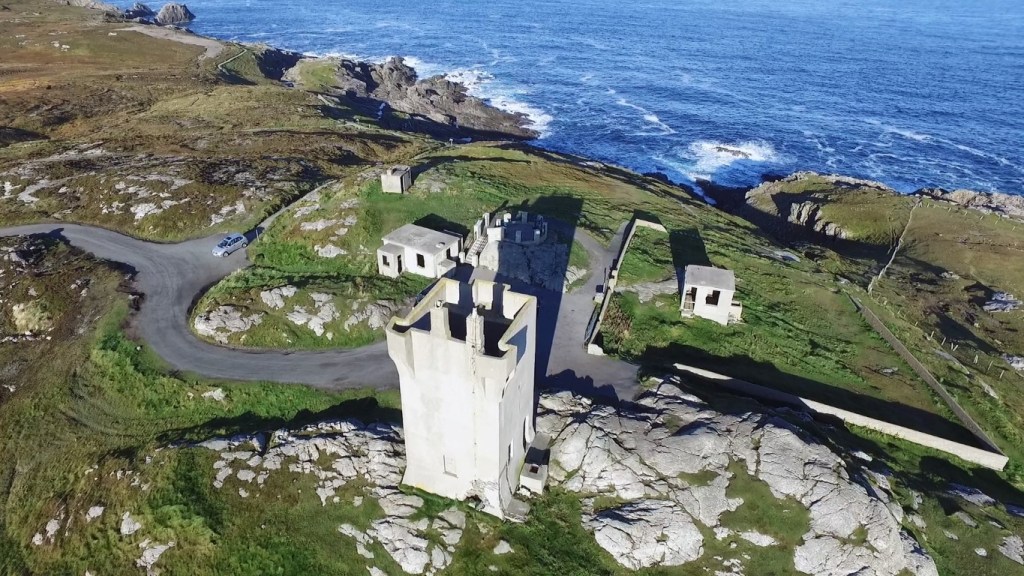
    On the way to Malin Head, the most northerly point in Ireland, you pass through Mamore Gap, a very remote part of the country but at the same time so natural a setting on the renowned Wild Atlantic Way. The scenery is just so ruggedly stunning as you reach the top of the Gap and head over into the northern part of the Inishowen Peninsula towards Malin Head. In fact, part of the Star Wars movie, The Last Jedi, was filmed in and around the area complete with a space-age construction set up on the cliffs near Banba’s Crown, a promontory perfectly placed for viewing the Northern Lights.

    L: Mamore Gap © http://www.wildatlanticway   R: Banba’s Crown, Malin Head © http://www.govisitdonegal.blogspot.com

    2 Rathmullan

    This lovely little seaside town across the Lough Swilly from Buncrana, and accessible from there by a small ferry service in the summer months, has a beautiful hotel, Rathmullan House, in the most spectacular of settings looking out over the lough. It’s close to the northern starting point of the Wild Atlantic Way – a 1,553 mile tourist route instigated in 2014 that traces the western coast of Ireland – and is the perfect base for exploring the trail’s key points of interest in County Donegal. I have a particular soft spot for this place too as it’s also where my brother got married!

    rathmullan_house_front_of_house© http://www.rathmullanhouse.com

    3 Fanad Peninsula

    Driving along the coast road north of Rathmullan towards the mouth of Lough Swilly, you’ll come to Portsalon Beach, once voted the second most beautiful beach in the world by The Observer. It’s an absolutely stunning spot for relaxing, enjoying the breathtaking views and taking a bracing stroll to blow the cobwebs away. Travelling further north again towards Fanad Head is some of the world’s most naturally untouched, tranquil and untamed stretches of coastline. The lighthouse here, built in the early 19th century, stands sentry over the windswept North Atlantic with striking views all around. As quoted by Great Lighthouses of Ireland, Standing between idyllic Lough Swilly  and sandy Mulroy Bay, Fanad Head Lighthouse has been voted one of the  most beautiful lighthouses in the world.’ You can even stay at the lighthouse these days in a selection of self-catering accommodation.

    image009

    My lovely sister-in-law and nephews at Fanad Lighthouse

    4 Ballyliffin

    For lovers of golf, this little village on the Inishowen Peninsula, set among the rolling hills and alongside the raw natural beauty of the Atlantic, is acclaimed for being one of Ireland’s premier clubs. The Ballyliffin Golf Resort boasts two links courses – 36 holes in all – bordering the ocean and the outstanding countryside around. It’s known for testing the most capable of golfers with a challenging game, not least because of its tough terrain and tackling the wild Atlantic elements! But at least post-game you can put your feet up in the clubhouse with a pint or two of Ireland’s finest and enjoy the panoramic sunset over Pollan Bay.

    BallyLiffin11Ballyliffin golf course © http://www.ballyliffingolfclub.com

    5 Kincasslagh

    On the west coast of Donegal, we once stumbled upon the tiny hamlet of Kincasslagh – just about 40 inhabitants at the last count – which has its share of international recognition thanks to Irish folk favourite Daniel O’Donnell who hails from the area. The village is also home to Iggy’s Bar, a traditional pub which really is like stepping back in time. The food is just delicious, and they serve up a to-die-for seafood platter with every mouth-watering morsel tasting as though it’s just been fished fresh out of the sea! This washed down with a creamy pint of Guinness in such age-old surroundings and squalls of revitalizing sea air really is Ireland at its best!

    murder-hole-donegal
    © http://www.hiddenirelandtours.com
  • A boutique homestay in Malaysia

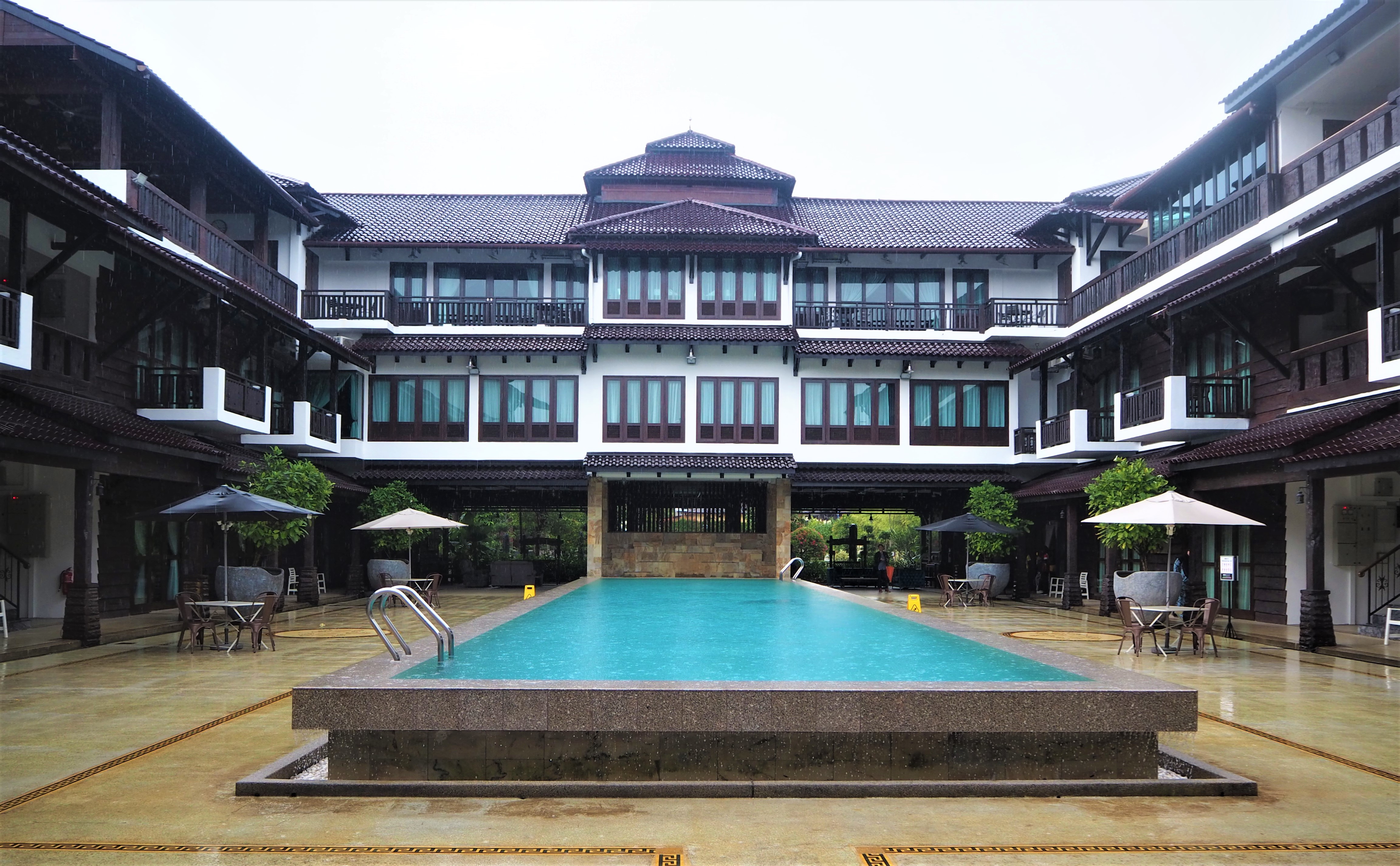
    In a secluded corner of south west Malaysia, a new style of homestay accommodation has opened its doors to the more authentic traveller seeking out somewhere stylish and affordable to stay, yet still off the well-worn path.

    OLYMPUS DIGITAL CAMERA

    With a boutique feel and beautiful attention to detail, Villa d’Acqua is a brand new lodging of 28 suites – two of which are duplex – designed with first-rate furnishings and fine finishing touches. All suites have super-king size beds with luxury fittings dressed with the Villa d’Acqua insignia, a lounge area with leather armchairs and wall-mounted large plasma TVs, and private bathrooms decorated in floor-to-ceiling marble.

    Built with the traditional Balinese villa in mind by a prominent Kuala Lumpur based businessman with roots in the region, this welcoming Malay family can usually be found weekending at the property and extend their hospitality to offer a unique homestay experience to guests.

    Located near the small town of Masjid Tanah in the State of Malacca, about halfway between Singapore and Kuala Lumpur, Villa d’Acqua is an ideal stopover for a visit to the historic city of Malacca, a UNESCO World Heritage Site since 2008. A former Portuguese colony with a melting pot of British, Dutch and Peranakan influences added to the mix, Malacca is a tourist hotspot in Malaysia with a well-preserved historic centre parading colonial architecture, colourful markets and a wealth of cultural heritage.

    christ-church-melaka (malacca.ws)© http://www.malacca.ws

    Set in lush surroundings about 20 miles up the coast from the city, Villa d’Acqua stands out among the growing number of homestay bases in the area – which are gaining a reputation over the conventional local hotels as more authentic places to stay – thanks to its elegant boutique style and wonderful serenity.

    If it is total escapism that you’re after, secluding yourself away for a few days with the tropical setting of sleepy Malaysian village life as your backdrop, between your hectic city touring of Singapore and Kuala Lumpur, then this could just be the place for you.

    Villa d’Acqua offers 26 suites and two duplex suites
    • There is a natural mineral swimming pool on site
    • Meal ordering services are available offering local Malaysian dishes, and the property soon opens its Hipster Café with a range of meal options
    • There are beautiful gardens, a banquet hall and boardroom services for weddings and events
    • The property offers local activities including boat rides, jungle trekking and bike rental
    • The nearest beach is about five miles away and Malacca City about 20 miles away
    • You will need your own transport to get to Villa d’Acqua
    • Rates for a suite from approx £50 per night
    • For further information and bookings, please contact https://www.facebook.com/villadacquahomestay/
    • Keep up-to-date with the latest at Villa d’Acqua on their Facebook and Instagram pages https://www.facebook.com/villadacquahomestay/ https://www.instagram.com/villadacqua/   

  • A little Christmas cheer

    Once upon a time, I lived in Amsterdam. I had the most enjoyable of jobs with an eclectic mix of wonderful workmates from all over the world, and really it was quite the most marvellous time in my life played out in the most magnificent of settings. It’s no wonder nostalgia has me brooding over those blithe days of the early noughties all too often, now that I am burdened with the usual responsibilities rather like the best part of my generation – the husband, the kids, the home, the job – the hectic juggling act to keep it all happy and balanced and beautifully operational.

    csm_Christkindlbahn_3__c__gerhard_berger_b43ea3e474Innsbruck Christmas tram: http://www.innsbruck.info/

    But a girl can still dream of long ago days. Of that once perfect past. Of a magic that is as make-believe as the marvel of a child’s Christmas. Amsterdam exults in the very essence of a fabled fairy-tale. And each time Christmas comes around faraway memories are inflamed; of parties, of markets and mulled wine, of fun-filled moments with friends, of an unfussy time before the efforts of each festive season turned into a progression of unpromising family-pleasing performances.

    And then there was the Christmas tram too. Amsterdam had, and still has, a tram that gets all spruced up in the spirit of Kerstfeest, which is just the jolliest of ways to jaunt about town and enjoy the Xmas merriment all the more. I think of this and I hark back to happy-go-lucky thoughts.

    file_499525Amsterdam Christmas tram: http://radio.nl

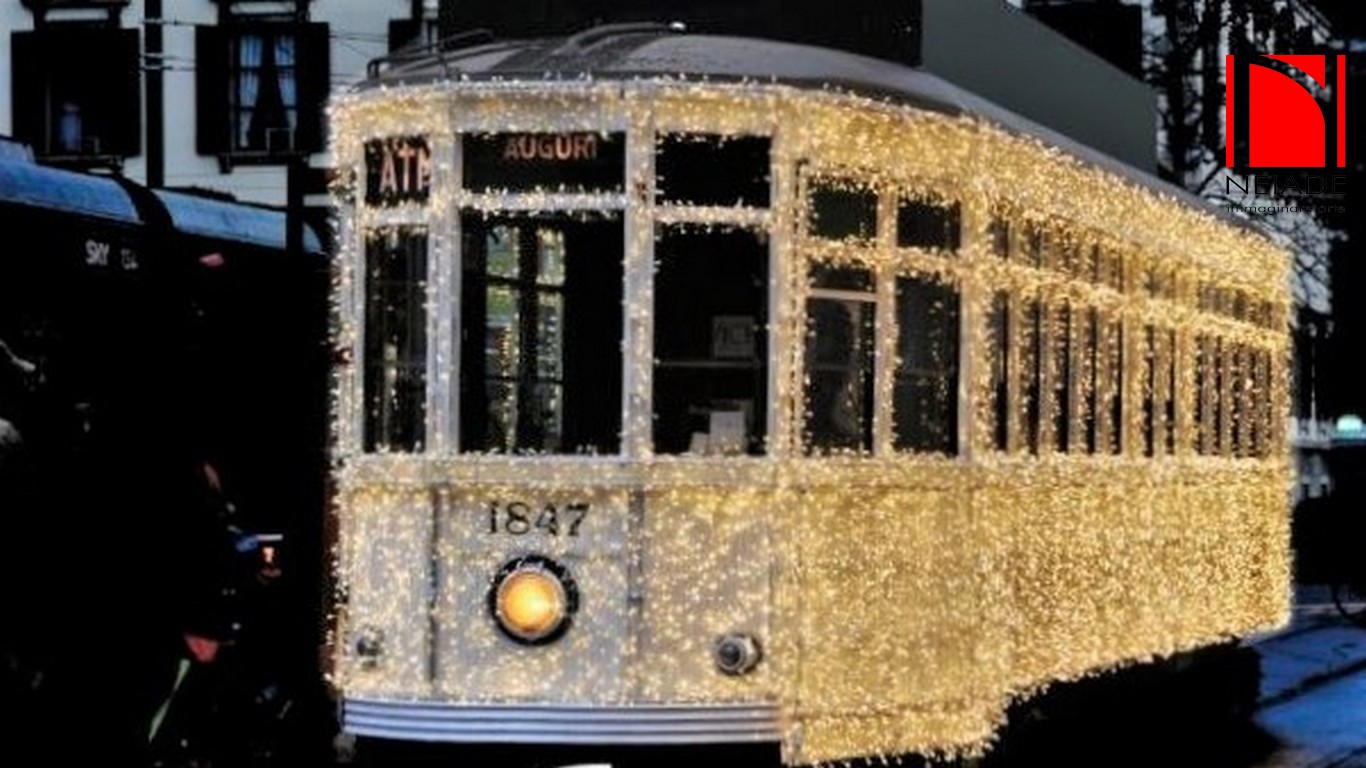
    I spotted a splendidly sparkling Christmas tram in Milan once too, effusively festooned in fairy lights for a fabulous dose of holiday cheer. Again, happy-go-lucky thoughts. It’s often the simple things that bring a smile, just like a tram spangled out in seasonal jollity for no real reason other than to add a quirk of Christmas cheer on a cold winter’s day.

    Tram-Natale-tour-guidato-Neiade-01Milan Christmas tram: http://www.neiade.com

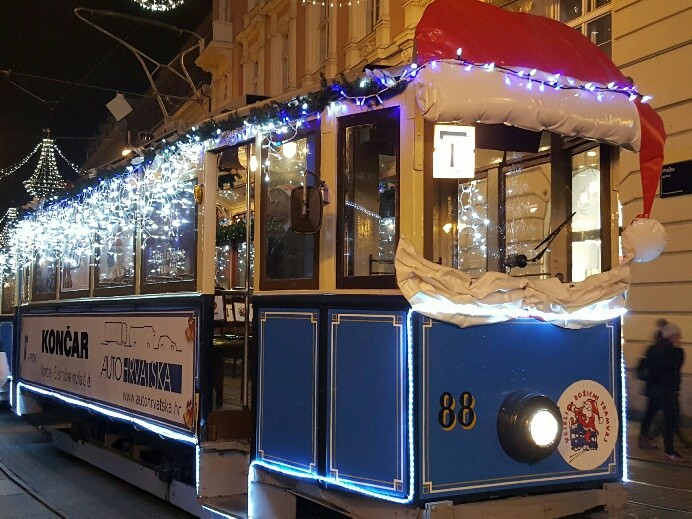
    When December dawns each year, who doesn’t love a Santa’s grotto, the jingle of those time-honoured tunes, a Christmas market, a gorgeously garlanded spruce tree, a gingerbread bake, a steaming cup of glühwein for genial good measure? All of this gift-wrapped as one perfect Christmas package – and a festive tram adorned with all the trimmings thrown in too – makes for a merry season of goodwill.

    large_vbt-2016-584a797316b84Zagreb Christmas tram: http://www.adventzagreb.com

    So many cities in Europe, and elsewhere, now serve up public transport sporting suitably seasonal attire – dapper streetcars disguised as Santa, trams transformed by tinsel and twinkling lights, others bedecked with baubles and blaring Christmas carols. You’ll find them parading in sprightly spirit along the streets of Munich, Budapest, Zagreb, Bratislava, Moscow and more; ferrying folk to festive markets or on Christmas city tours, in sleek modern style or with vintage verve, often offering vin chaud and Christmas fancies, and even free rides.

    web_zurich_weihnachten_maerlitram_1600x900.jpgZurich Christmas tram: https://www.zuerich.com

    Zurich’s historic Mӓrlitram is chauffeured by no less than Santa Claus himself, while Christmas stories are read out by angels to add to the magical experience for children on board. Innsbruck’s vintage tramcar has been running a Christmas route around the city for over a hundred years, much to the delight of visitors. Brussels brings out its ever popular Le Tram Vin Chaud each season for festive fun complete with Father Christmas on board to greet the kiddies. In Cologne, the Christmas Market Express mini-train let’s you hop on and hop off from weihnachtmarket to weihnachtmarket on a city circuit.

    Vin_Chaud-2015-4Brussels Christmas tram: http://trammuseum.brussels

    So if you happen to be off to a magical land of Christmas markets, mulled wine and more this season, be sure to look up the local transport for that extra special touch, and let yourself be transported about the city in style for some bonus Christmas sparkle, with bells on.

    *Click on the cities in the article to find out more about their Christmas trams and times for 2017


  • Wales: All the Fun of the Festival

    Wales is a small country with a big heart, and what better way to enjoy its rich culture and heritage than through the many festivals held around the country each summer. Here are nine not-to-be-missed, fun-packed events for all the family in 2017:

    1 Hay Festival of Literature and Arts

    article-2322083-19B3B08C000005DC-672_634x415

    © http://www.dailymail.co.uk

    On the edge of the Brecon Beacons National Park, the small market town of Hay-on-Wye, which hugs England on the Welsh side of the border, has been synonymous with books ever since the 1960s when Richard Booth opened the first second-hand bookstore in town. The number of bookshops grew over the years and Hay has since become known as the ‘National Book Town of Wales’ and hosts a major literary festival each May which brings together writers and readers to share stories and ideas in a host of events.

    The brainchild of the book festival all came about in 1988 when aspiring actor Peter Florence wanted to promote his hometown and its literary pickings, and through a series of surprising events succeeded in snaring US playwright Arthur Miller to attend the very first festival. Since then it has grown from strength to strength, and Hay is now home to one of the world’s most well-loved literary festivals attracting the likes of Bill Clinton, Salman Rushdie and Desmond Tutu. It has even spawned International Hay Festivals around the world held in countries including Spain, Denmark, Peru, Mexico and Columbia.

    This year, the festival celebrates its 30th anniversary and runs from 25th May to 4th June with speakers including Stephen Fry, Ian Rankin, Jeanette Winterson, Victoria Hislop, Tracey Emin, Michael Sheen and Brian May. And as well as the go-to festival for bibliophiles, the event is chock-full of exhibitors, stalls, workshops and activities offering fun for all the family.

    https://www.hayfestival.com/

    2 Llangollen International Music Eisteddfod

    zzsr090713music-12

    © http://www.walesonline.co.uk

    Wales already has its National Eisteddfod celebrating Welsh language and culture (see below for festival details), and for good measure convenes an international version every summer in the lovely little North Wales town of Llangollen.

    The event was first staged in 1947 with the initiative of using the Welsh Eisteddfod tradition to reinstate a sense of accord internationally following the Second World War. Originally playing host to artists from ten countries, music and dance shows traditional to their homelands were performed. And since those early days, the festival has earned an irrevocable place in world music, with the international pavilion today hosting around 4,000 performers from around 50 countries annually from as far-flung as the Philippines and Kyrgyzstan. It also draws upwards of 50,000 visitors to enjoy the exuberant combination of competition and performance displayed by talented amateurs over the six-day event, this year held from 3rd to 9th July.

    At the heart of the festival is its message of international peace and friendship, and one of the highlights of the event is the esteemed ‘Choir of the World’ competition.

    The festival also attracts a number of high-profile professional artists, and past performers have included Luciano Pavarotti, Kiri Te Kanawa, Nigel Kennedy, Elaine Paige, José Carreras, Joan Baez and Jools Holland. This year, Sir Bryn Terfel and the Manic Street Preachers will headline.

    http://international-eisteddfod.co.uk/

    3 The Royal Welsh Show
    20279258922_6f43606f69

    © www.rwas.wales

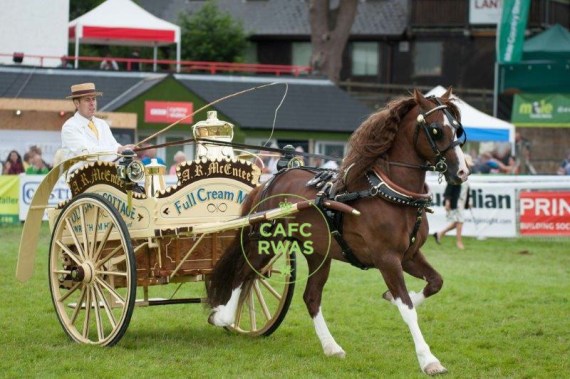
    Since 1904, the Royal Welsh Agricultural Society has been hosting the Royal Welsh Show as an annual shop window for all things farming. But this is no bucolic affair in some rural backwater, this is the biggest and best attended agricultural event of its kind – one of Europe’s largest – putting the Mid Wales market town of Builth Wells on the map each year with over 200,000 visitors to the showground annually.

    Wales is very much a country with agriculture at its core, and this festival brings together the farming community and food production in celebration of its rich agrarian roots. As a keen supporter of farming practices, the Prince of Wales is a regular, as are attendees from over 34 countries across the world each year.

    A festival about farming sound uninspiring?? Think again! There are so many exciting events to keep all the family engaged that the world of agriculture will never evoke ennui again! Expect sheep shearing competitions, tractor driving, falconry displays, livestock competitions, live music, quad bike stunts from the Kangaroo Kid, sheepdog trials, arts and crafts, the farmer of the year competition, horse and carriage driving, tree felling competitions, a multitude of trade stands, a food hall featuring delicious Welsh produce, and countless more displays and demonstrations over the four days of the show, which this year runs from 24th to 27th July.

    http://www.rwas.wales/royal-welsh-show/

    4 The Big Cheese

    big_cheese_crowds_762

    © http://your.caerphilly.gov.uk/bigcheese

    Caerphilly in South Wales is synonymous with both cheese and its seamless medieval concentric castle, and it comes to life each summer for The Big Cheese, a festival celebrating the history and heritage of the town and attracting 80,000 visitors annually.

    With roots dating back to AD 75 when the Romans settled in the area, Caerphilly has long been a site of strategic significance. The Anglo-Norman invasion of Wales gave rise to the construction of the town’s castle in the 13th century, and it remains a masterpiece of military architecture and Britain’s second largest castle after Windsor.

    The fun-filled festival is set in the shadows of this fine example of a medieval fortification, and is an extravaganza of entertainment celebrating the town’s notable past, as well as its renowned cheese thought to have originally been created as nourishment for local coal miners.

    This year, the annual three-day event celebrates its 20th anniversary and opens its doors from 28th to 30th July with a fun-packed programme promising music, dance, living history encampments, falconry demonstrations, fire-eating artists, The Great Cheese Race, a craft market and food stalls, a traditional funfair, minstrels, military re-enactments and much more.

    http://your.caerphilly.gov.uk/bigcheese/home-page

    5 National Eisteddfod of Wales

    eisteddfod

    Highlights of our last Eisteddfod trip in 2014

    A celebration of Welsh language and culture, the National Eisteddfod is Wales’s oldest and largest arts festival attracting more than 150,000 visitors annually. The event alternates between the north and south of the country, and this year will be held from 4th to 12th August on the isle of Anglesey in North Wales.

    With a history dating back to the 12th century when Lord Rhys would invite poets and musicians from all over Wales to a grand gathering at his castle in Cardigan, the Eisteddfod today continues the custom as an animated event showcasing music, dance, visual arts, literature and other arts performances in the Eisteddfod Pavilion. At its heart, it is a competition of artistic talent imbued with traditional ceremony, but it is also a vibrant festival with an Eisteddfod Field or Maes filled with tradestands and exhibitors vending arts and crafts, local produce, and a whole lot more. There are plenty of child-friendly activities on offer, and music and dance shows that go on well into the evening with food and drink stalls serving up plenty of local fare.

    You don’t need to be a Welsh speaker to enjoy the festivities, but for a true taste of Welsh culture it’s the event in Wales to attend.

    https://eisteddfod.wales/anglesey-2017

    6 Burning Lantern

    main

    © http://www.burninglantern.com

    Brand new to the festival scene in Wales this summer, the Burning Lantern Fayre will be brought to you from the grounds of the National Museum of Welsh History at St Fagans near Cardiff on Saturday 12th August, a superb setting for this live music event showcasing big-name acts and international stars in a family-friendly environment.

    Located in the grounds of St Fagans Castle and gardens, the open-air museum displays Welsh life from Celtic to modern times with over forty original buildings from different historical periods assembled in 100 acres of parkland including cottages, a schoolhouse, chapel, farm and workshops.

    As a celebration of Welsh culture and tradition, the museum is the perfect venue for Burning Lantern, which promises to illuminate the day with a line up that includes Brit-award winning Tom Odell, Motown legends Martha Reeves & The Vandellas, singer-songwriter Jack Savoretti and Welsh pop new-comers Into The Ark.

    Music performances will go hand-in-hand with oodles of family entertainment – circus skills, pony rides and arts and crafts for kids are on the bill – and a bounty of other amusements and culinary treats to create a fun country fayre atmosphere for all the family.

    http://www.burninglantern.com/en/

    7 Green Man

    INTERIM DESCRIPTION Green Man Festival 2013

    © http://www.visitwales.com

    The Green Man Festival has evolved into Wales’s biggest contemporary music and arts event over its 15-year history, and attracts upwards of 20,000 attendees annually. Brought to you from the spectacular surroundings of the Brecon Beacons National Park, this year the festival dates are 17th to 20th August.

    It’s been called ‘the festival with personality’ and has found its place among likeminded alternative folk festivals as an ethically-minded, independent family-friendly event.

    As well as putting on live music performances from the likes of Van Morrison, Belle & Sebastian and Super Furry Animals, Green man offers the whole package with plenty of entertainment for grown-ups and little people alike – comedy, spoken word, film, literature, theatre, science, massage & therapy, all-night bonfires and more all combine to create a hugely successful festival outing.

    On the bill at this year’s event are PJ Harvey, Ryan Adams, Irvine Welsh and Billy Bragg. Expect more than 1,500 acts in all across 17 performance areas with enchanting names such as Einstein’s Garden, Fortune Falls and Babbling Tongues. The Settlement area is the campsite for festival-goers and is family-oriented with entertainment on offer day and night.

    http://www.greenman.net/

    8 Festival No 6

    Fn6-DN-2016-1143

    © http://www.festivalnumber6.com

    The Italian-inspired village of Portmeirion is a visual feast of fanciful pastel-toned architecture and a prime tourist attraction in North Wales nestled in the hills above the Dwyryd Estuary. With a desire to capture the character of the Mediterranean, architect Sir Clough Williams-Ellis conceived of and crafted the village over a period of 50 years and it has since been a source of inspiration for writers and other luminaries, and synonymous with the surreal following the filming of the TV series The Prisoner here in the 1960s.

    The show was a cult spy drama and the central character named Number 6, naturally the inspiration for the award-winning music, arts and culture festival that now takes place each September on the Portmeirion site. With its magical village setting surrounded by the mountains of Snowdonia National Park, the No 6 Festival epitomizes a unique experience for visitors, and since its inaugural event in 2012 has become one of Britain’s most spirited, surreal and sophisticated summer celebrations of music and culture for all the family.

    As well as mainstream music performances, the festival includes a whole host of cultural activities – comedy, readings, theatre & cabaret and lots more – a Sergeant Pepper’s themed carnival, vintage fair, hot tub sessions, health & healing, a torch-lit procession and plenty of food & drink indulgence.

    This year, the festival takes up again for four days from 7th to 10th September and performers include Jarvis Cocker, Goldie, The Flaming Lips, Irvine Welsh, Charlotte Church and a multitude more.

    http://festivalnumber6.com

    9 Abergavenny Food Festival

    INTERIM DESCRIPTION Abergavenny Food Festival 2013

    © www. visitwales.com

    Wales’s premier food festival was instigated in 1999 when two local farmers acted in response to the ‘mad cow disease’ crisis of the time which had caused a lack of consumer confidence in British produce. Their idea was to showcase the wonderful food Wales has to offer and the passion of those who produce it.

    Eighteen years on and it’s grown into the largest and longest-running food festival in Wales, gaining an excellent reputation as a place for chefs and food businesses to come together in celebration of local produce.

    Held in the attractive medieval market town of Abergavenny known as the ‘Gateway to Wales’, the festival has been flaunted by The Guardian as ‘Abergavenny is to food as Cannes is to film’, and each year attracts big-name chefs like Jamie Oliver, Anthony Bourdain and Rick Stein.

    Headlining this year’s event – taking place on 16th and 17th September – are two-star Michelin and TV chef Tom Kerridge, and celebrity chef, TV personality and food writer Hugh Fearnley-Whittingstall. And with tasting workshops, chef demos, food markets, kids’ activities and plenty more, the 30,000 visitors expected are certainly in for a crave-worthy treat.

    http://www.abergavennyfoodfestival.com/
  • Le Manoir de Malagorse: a leisurely stay in the Lot

    I dream. All winter long, I dream. I dream of springtime again in south west France. For it once more reawakens the pleasures of outdoor living in a region robust with picturesque places to stay. I recollect an idyllic country retreat lovingly restored. A sun-dappled courtyard. A good read. A long refreshing drink. The pleasantly subtle perfume of a pergola woven with vanilla-scented wisteria permeating the stillness. Such a perfect silence save for the soothing sounds of nature swathing me. Perhaps a chugging tractor and the odd church bell too. Oh, and the satisfying shrieks and splashes from my boys frisking in a pool a feather’s breath yonder. It’s all so heavenly. Simply being. Me and my family happy and on holiday.

    IMGP5517

    Having the luxury of living in south west France, this is a scene I can conjure up over and over again. Each season we make an effort to maximize the myriad of delightfully charming bed and breakfasts on our doorstep. Some have been shameful let downs, masquerading as self-styled boutique properties with neither clue, comfort nor charisma. But there are a select few that shine through and win us over.

    ORY9737-1200x800

    © http://www.manoir-de-malagorse.fr

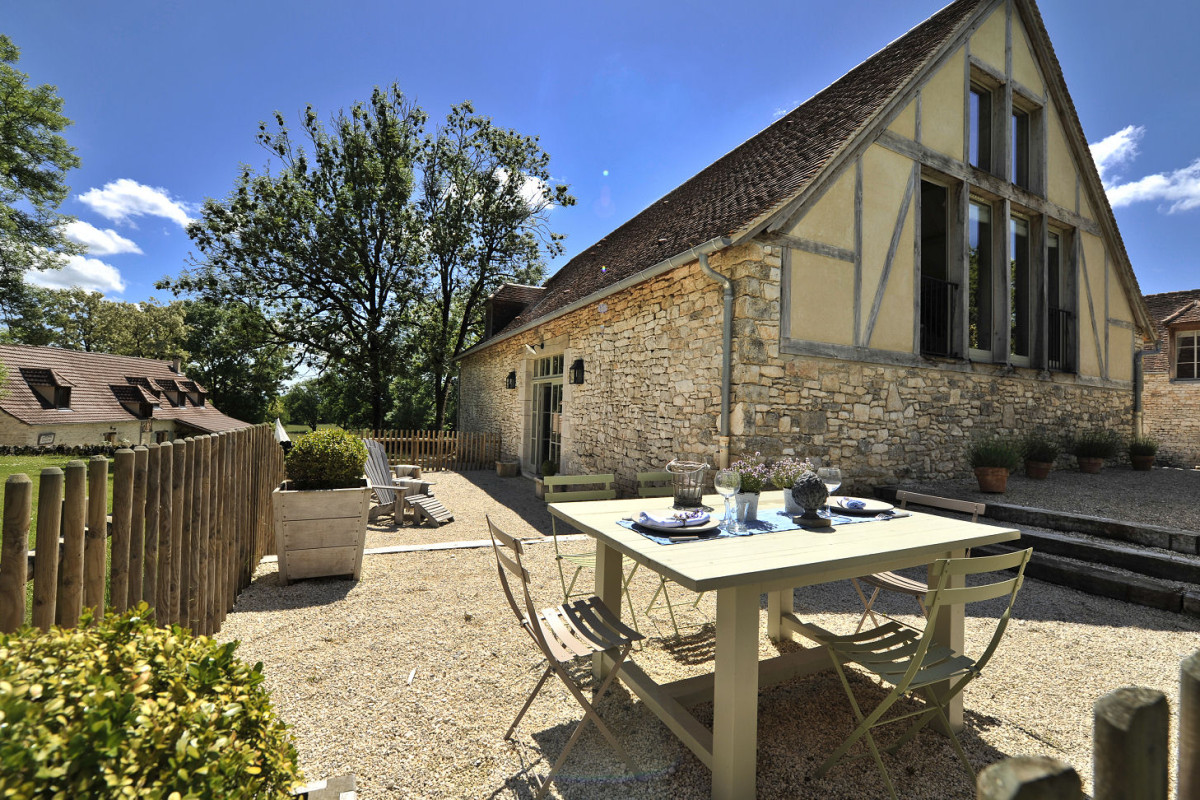
    One such alluring address is Le Manoir de Malagorse, a gorgeously refurbished former farmhouse dating from the 19th century, and since 1999 affectionately run as a stylish family-friendly retreat in the rural landscape of the Lot département by Anglo-French couple, Anna and Abel. Secreted away in the scenically splendid Dordogne Valley close to the sleepy commune of Cuzance, about 30 kilometres south of Brive-la-Gaillarde, the manor house is unearthed in all its glory by way of a series of winding country lanes. You don’t get lost per se – satnav systems these days see to it that the destination is rarely disregarded – but you do unreservedly lose yourself in the serenity of the surroundings the second you set yourself right after a long drive and reflect on the unspoilt locale.

    IMGP5502 (2)

    There are plenty of child-friendly activities at Le Manoir de Malagorse

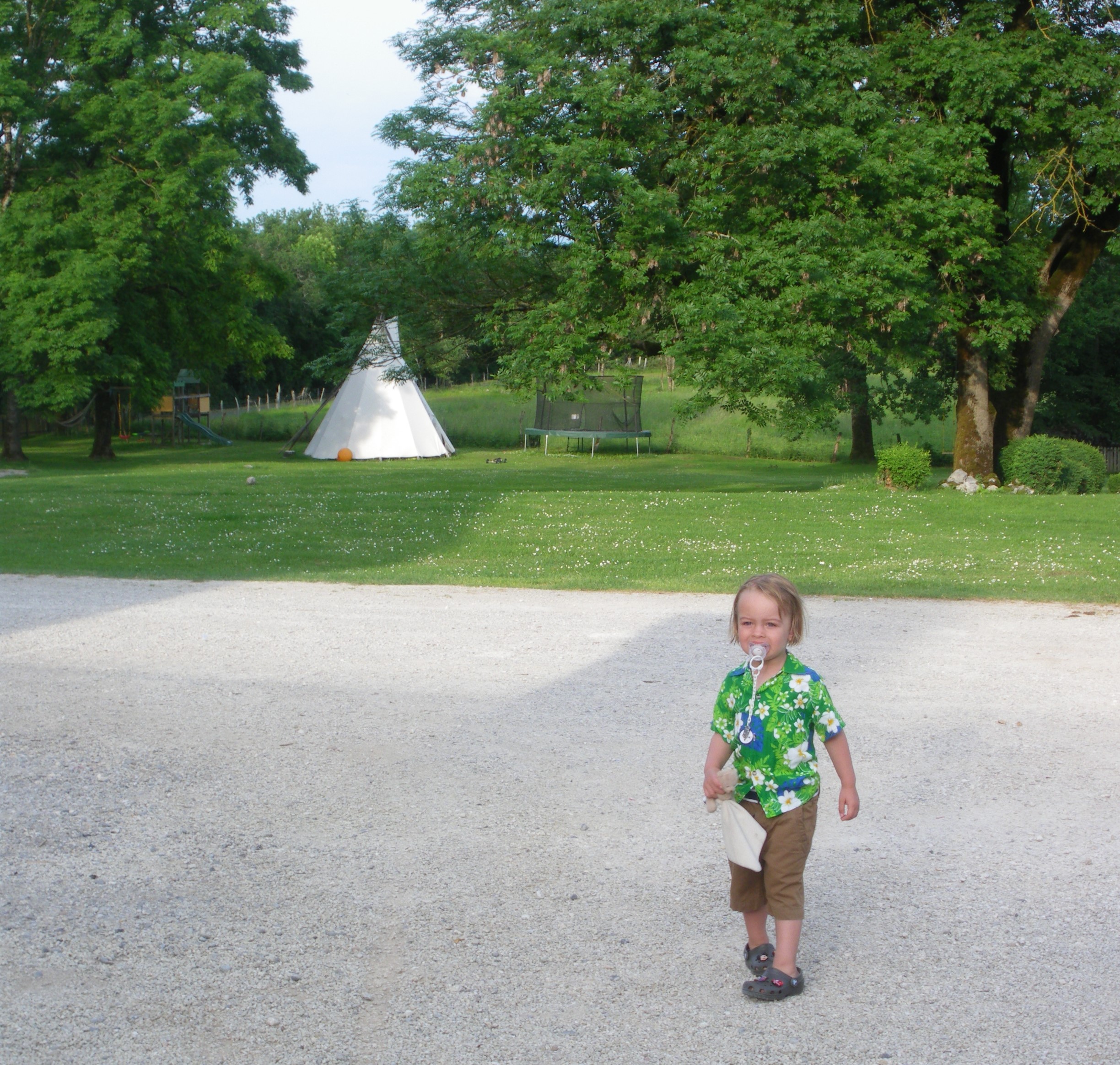
    We pull to a stop on the gravel lane outside the property, and in a lickety-split second, Jem – at the time a sprightly two-and-a-half-year-old – gratefully set free from his car seat, spies a trampoline and a teepee at the far end of a green and golden meadow alive with crooning cicadas, and darts off in their direction. Mr Gallivant goes on after him – he’ll have his work cut out keeping the toddler away from both the canvas and bouncy contraption over the coming days – while I go and check us in.

    Loft - exterior

    © http://www.manoir-de-malagorse.fr

    Beyond a gate, and the courtyard is abundant with late spring foliage. Birds sing and the afternoon sun has limbered up sufficiently to make it a wonderfully warm May day. Anna steps out to welcome me. And all at once I feel at home. For Le Manoir de Malagorse has a magnetism about it. If home indeed could be a magnificently restored French farmhouse flaunting honey-hued stonework and delicate duck-egg green shutters. My dream. It’s this very façade that drew me to the property in the first place when raking through reams of desirable boutique B&Bs in the Dordogne Valley on the internet. And stepping out of the dazzling sunshine into the dusky hallway, the interior is every bit as alluring. There are four spacious rooms in the main building all individually decorated using local materials and French fabrics, and furnished with an eclectic miscellany stumbled upon in antique markets in the surrounds; all statements of unassuming style. There are also two suites and a self-contained Loft on the property, stylish refurbishments of the former barn and stables and every bit as elegantly appointed.

    Jonquille

    Chambre Jonquille © http://www.manoir-de-malagorse.fr
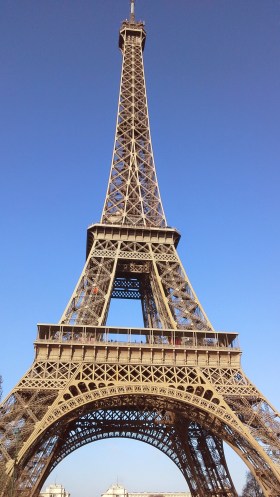
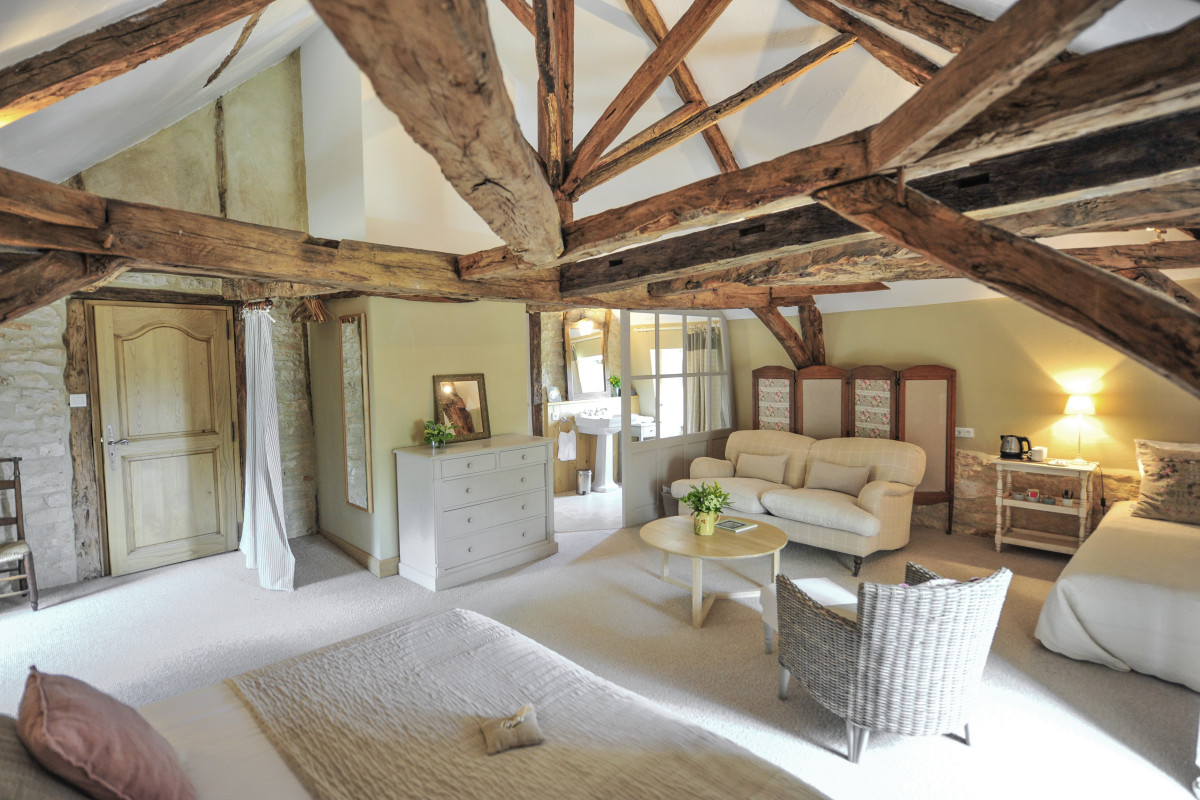
    The boys join and we settle into our room, Jonquille (on the second floor of the manor house), which accommodates all three of us with space to swing a cat and more. It’s light and airy with a superb original ceiling structured with wooden rafters, and a neutral décor that beautifully offsets the oak beams to create a calm and capacious setting.

    pool

    © http://www.manoir-de-malagorse.fr

    It’s late in the afternoon and there’s still time for a splash about in the pool before preparing for dinner. Assuming a serene spot on the property, the pool terrace sits to the side of a sweeping meadow, sun loungers invitingly set around the water, which is lightly lapping in the breeze until Jem and Mr G bounce in and begin larking about gleefully in the glorious sunshine.

    That evening, Anna and Abel kindly offer to feed an exhausted Jem a little earlier, and he happily feasts on steak-frites with the couple’s twins in the magnificent kitchen complete with mammoth fireplace containing a range cooker on which Abel, a former chef, conjures up the children’s scrumptious supper.

    kitchen

    la cuisine © http://www.manoir-de-malagorse.fr

    The guests all gather in the grounds of the manoir in the warm evening air – beset with the scent of blossoms and boisterous cicadas – for an apéritif and the chance to socialise after a day of sightseeing. It’s a splendid ambience of the kind that only seems to be created in charming Maisons d’Hôtes such as this closeted away in the allure of the French countryside where compatible folk come together for their love of France and the finer things in life.

    guests

    © http://www.manoir-de-malagorse.fr

    And then we dine en terrasse, a delicious four-course affair articulating the certified culinary skills of Abel, all freshly prepared and presenting the seasonal flavours of the local terroir. As with the food, the table settings have a beautiful attention to detail about them too from the napkins tied with fresh lavender sprigs to the quiver of candlelight sparkling in the stillness of the night. Dinner is served either in the courtyard or the restaurant depending on the weather, and we got to eat both indoors and out during our stay, the dining room elegantly dressed in simple, natural colours echoing the French campagne with a decadent twist.

    courtyard

    © http://www.manoir-de-malagorse.fr

    We sink into our snug beds that evening altogether content and intoxicated on country living. Being away from it all in a beautiful environs with balmy weather, affable people and the chance for blissful respite are what bank holiday weekends are made for.

    And each morning we wake up brand new and ready and willing. Breakfast – taken outdoors on the small terraced patio overlooking the poolside, and perfectly shaded from the bright sunshine and abuzz with insects and birdsong – is a buffet selection of beautifully homemade produce and is wonderful and leisurely against the backdrop of the whispers of nature. And then it’s time to take in some of the many sights in the region before returning later in the day for some poolside repose.

    ORY9681-1200x800

    © http://www.manoir-de-malagorse.fr

    Le Manoir de Malagorse is located in the Lot and is also lucky enough to share very close borders with both the Corrèze and Dordogne départements, which makes it enormously accessible to so many places of interest in the area. To the west, the highlights of Dordogne are a handy distance away, including the historic delights of the Perigord Noir – Sarlat-la-Canéda, Domme, Beynac-et-Cazenac, La Roque-Gageac, Castelnaud-la-Chapelle … the list goes on.

    Rocamadour

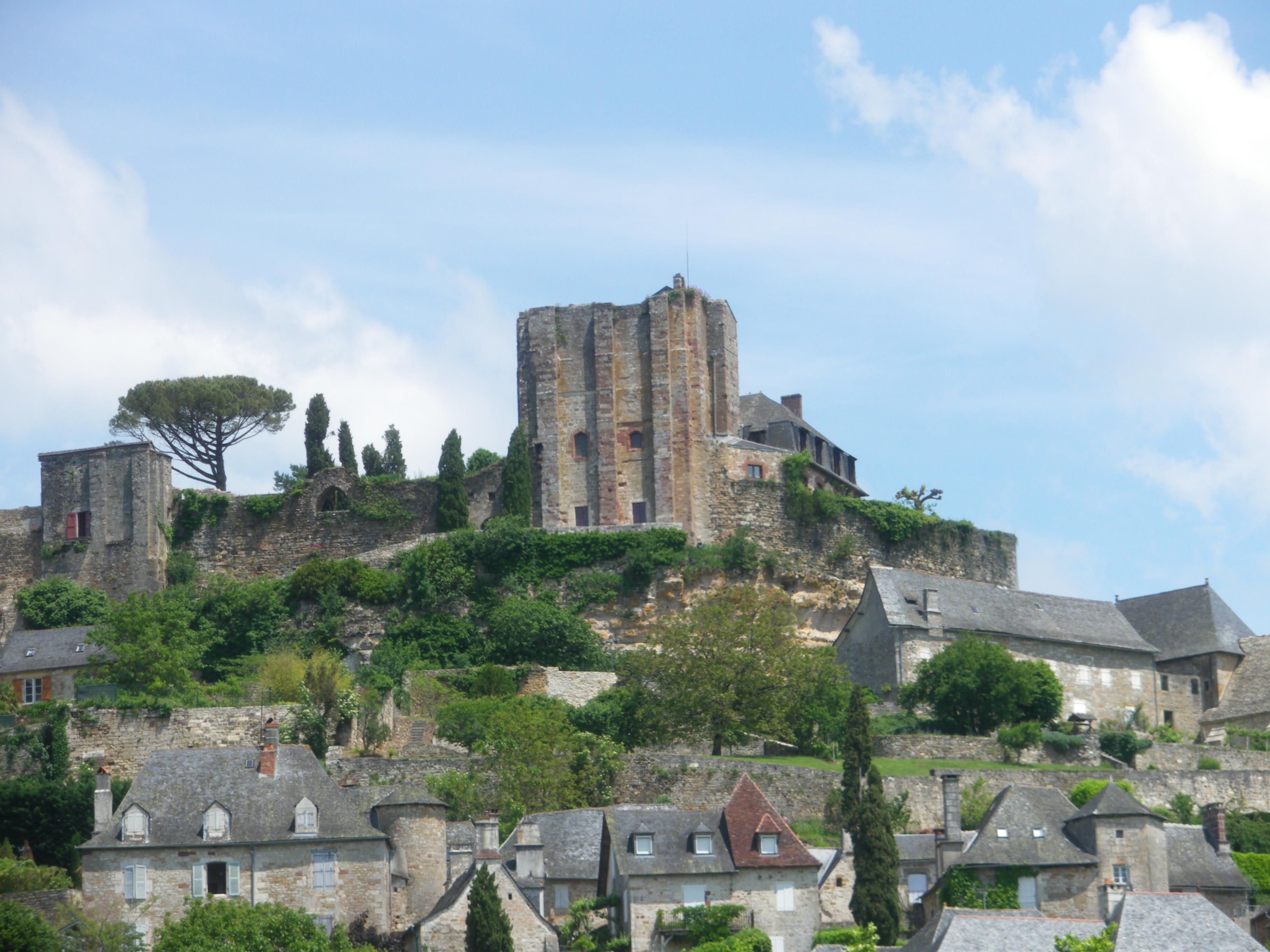
    We have been bowled over by the beauty of them all on previous visits to the Dordogne, so this trip sees us venturing south to see the UNESCO World Heritage Site of Rocamadour, sitting in regal splendour on a rocky overhang high above the River Dordogne, and north to the plus beaux villages of Turenne and Collanges-la-Rouge in Corrèze. It was in fact the fairytale red sandstone commune of Collanges-la-Rouge which began the whole Plus Beaux Villages de France story in 1982 when the mayor envisaged a way to promote tourism in the most beautiful villages of the country, and today the association is a prestigious platform for showcasing France’s prettiest places.

    IMGP5535.JPG

    Collanges-la-Rouge

    IMGP5538

    Turenne

    It’s been a few years now since our stay at this stylish retreat hushed away in the haven of the Dordogne Valley. We keep wanting to go back, and we will one day. We still receive Christmas cards from Anna and Abel every year, such is the consideration they afford their guests. And it is this very attention to detail that makes somewhere so special. Le Manoir de Malagorse is precisely the kind of place that goes all-out to please – they’re not easy to find – but when you do encounter such excellence, the recollections stay with you always.

    IMGP5479

    *Prices at Manoir de Malagorse from 160 euros per room per night (including breakfast)

  • Travels with … Mr Gallivant

    Miss Gallivant met her Gallic other half 16 years ago at a wedding in Normandy and it was a complete ‘coup de foudre’, as the French say. At the time, they were living half a world away from one another – she in Amsterdam and he in Singapore – but it didn’t stop them committing to months of commuting across continents all in the name of love. Since those early days, they’ve called several countries home, are currently settled in France and have two adorable children. A likeminded lure to travel and discovery and all the doors they can open is likely their original raison d’être, and today they enjoy nothing more than sharing that passion with their tots and taking off whenever time and pennies permit.

    _____________________________________________________________________________________

    Your kind of holiday …

    A blend of culture, discovery, great fun, great food & drink, and a good old dose of sunshine

    Where you last went to …

    A long weekend in Porto with the wife and without the kids. Time out for just the two of us is so important, but it doesn’t seem as easy now that there are two tots in the equation. Still, we seize the opportunity whenever it comes along

    20170305_163201(1)

    And next up …

    Another long weekend away sans enfants before the summer’s out if we can swing it! We’ve got Stockholm or Dubrovnik in mind, but we’ll see. Other than that, this coming weekend we’ll have a Bank Holiday break en famille somewhere in south west France, and the following weekend – there are a lot of jours feriés in France in the month of May – I’ve got a guys’ getaway to Normandy with my two best mates from school   

    Favourite go-to destination …

    San Sebastián in Spain’s Basque region – we live just over two hours’ drive away and head there a few times a year. I also take part in the annual La Concha Bay Swim each September and have a very soft spot for the city, its unique location, upbeat vibe and renowned cuisine

    20160910_16574620160910_165750

    A place you’d never go back to …

    Hotel Ute in Lido de Jesolo – a complete dive found as a cheap alternative to staying in Venice itself when I didn’t know any better. Never again!

    First holiday with friends …

    Sicily in my early 20s – an alcohol-fuelled Club Med fest with my two best mates (the same lads I’ll be seeing in a couple of weeks – we still get together at least once a year, but the trips have become somewhat tamer over time, and a lot closer to home!)

    Favourite childhood holiday memory …

    Swimming with tropical fish in the turquoise waters of Martinique as a seven-year-old

    Favourite view …

    The iconic New York skyline

    993396_10153142467865534_1964903535_n-2

    Where in the world you’ve felt happiest …

    Bordeaux, where we currently live and where my children were born; and Singapore, where my love for Miss Gallivant flourished

    A pinch-yourself moment …

    Discovering the rich culture and heritage of Jerusalem as a teenager. It was a pretty inspirational place to be, and for a geopolitics amateur like me is the ultimate experience

    Jerusalem_old_city_sunset

    © http://www.jerusalem.com

    Dream destination …

    Japan – it’s been on my wish list for years

    Favourite destination …

    It has to be South East Asia, where I lived for five years; and I have a penchant for Bali in particular

    Favourite city …

    Rome, where Miss Gallivant surprised me for my 40th

    An unusual travel experience …

    Dhaka in Bangladesh – it was like something out of a horror film!

    Best all-round travel experience …

    Nepal was a truly amazing experience, from the frenzy of Kathmandu to the spectacular Himalaya vistas, and the incredible beauty in the heritage buildings to the extraordinary kindness of the people. It’s a land filled with fascination and a trip that will always be with me. We travelled there to meet the Tibetan family we sponsored at the time, and to spend time with the locals, eating at their home, learning about their way of life and getting to know two adorable children was the richest of moments. The family couldn’t do enough for us, and we’ll never forget their generosity.

    What you last ticked off your bucket list …

    Rome – I’d never made it there before turning 40 believe it or not!

    Biggest culture shock …

    The chaotic frenzy that is Kathmandu, but in a good way; and visiting friends there and getting to see how the locals live, which is always the best way to experience real travel

    SONY DSC

    What you never travel without …

    A good read and my Previscan medication (for a heart condition, more’s the pity)

    A secret little find to share …

    Well, it was technically Miss Gallivant’s find, but Lubra Casa Relax on the Sorrentine Peninsula is an exquisite little boutique B&B presided over by the extraordinary Lucia and her superb pizza-making skills

    lubracasarelaxswimmingpool51

    © http://www.lubracasarelax.it

    A guilty holiday pleasure …

    I always love the opportunity to be more gourmand on holiday than usual; whatever the local bite or brew, bring it on!

    A literary travel inspiration …

    Shanghai after reading Shanghai Baby by Wei Hui. It’s an intense city that never disappoints

    I lost my heart in …

    Granville, Normandy – its train station to be precise, where I got my first glimpse of Miss Gallivant and life changed for the better

    granville-la-haute-ville

    © http://www.patrimoine-normand.com

    What travel means to you …

    Seeing how others live allows you to question your own life and values; I love the continuous learning curve your life follows when you have the opportunity to travel

  • The Perfect Porto Call

    You could say Porto has it all. A city that’s spot on for a weekend escape. The perfectly commendable size for a city break. Plenty to pack in without passing on the time to appreciate ample aperitivo stops in between ambling the atmospheric streets of the European Best Destination 2017. And if you’ve got an extra 24 hours to tag onto your itinerary, you could even include a jaunt to the adjacent coast or journey upriver for a visit to the vineyards of the Douro Valley.

    DSC01704 (2).JPG

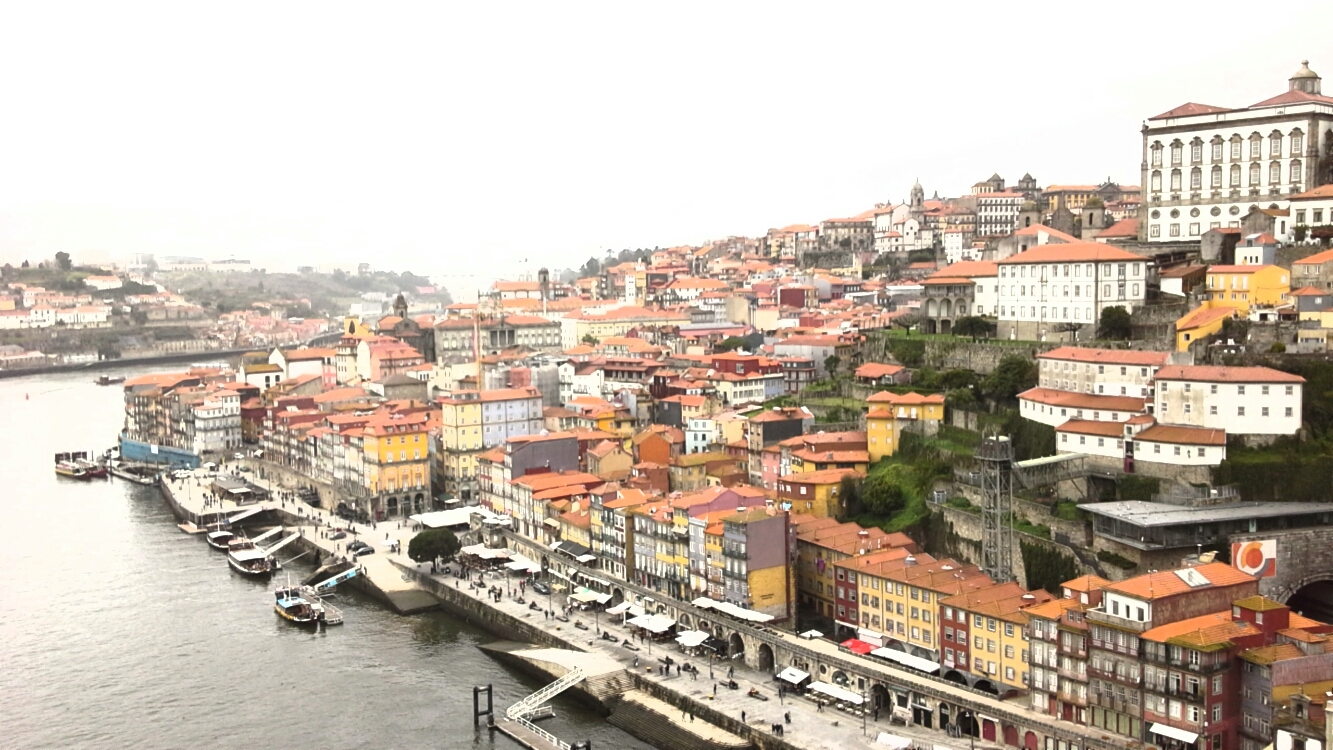
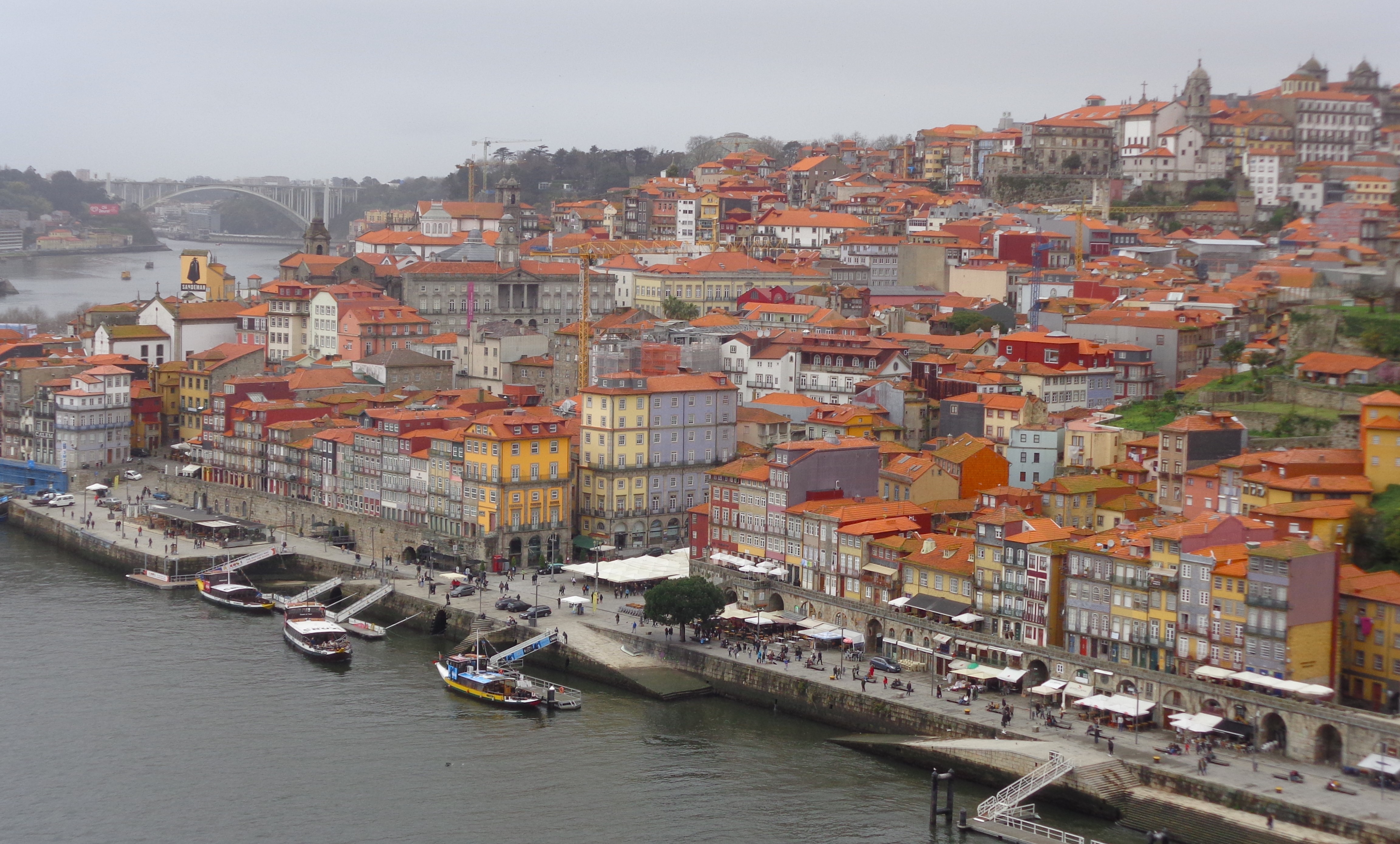
    There are medieval relics, grand baroque buildings, a burly Romanesque cathedral, fancifully tiled façades at every turn, a UNESCO heritage historic district sated with steeply cobbled streets and soaring towers, mammoth metal bridges spanning the Douro, an emerging mode for modern architecture, a rapidly rising gastronomic culture, livrarias galore and a glut of Port wine cellars all within walking distance in a city that’s easily accessible on foot even if there are rather a lot of precipitous twists and turns in the old quarter to taunt those tiring limbs. It is literally packed with places to see. And it is quite possibly one of Europe’s most photogenic cities too; a cascade of colourfully cluttered buildings draping higgledy piggledy down a hillside to the banks of the dependable Douro below, and best viewed from up high or from the river itself.

    We recently returned from a superb stay in the city, carefree and kid-free for three quality days, and the high spots of our 72-hour sojourn are best summed up as so:

    12 tasters for first-timers

    1 Livraria Lello

    A beautifully ornate bookstore that’s one of the oldest in Portugal, and very often hyped as one of the most handsome in the world with its magnificent art nouveau interior and splendidly crafted, curving staircase. JK Rowling taught English in Porto in the 1990s and the bookshop, which opened in 1906, is said to have inspired rather a few of the fantastical features in the Harry Potter series – from the Flourish & Blotts Bookstore in Diagon Alley to the library and magical moving Grand Staircase at Hogwarts.

    The overwhelming success of Harry Potter and its links to Lello has swelled interest in the shop in recent years and to reduce the enormous queues that would amass, there is now a ticketing system in place. Entry is €4, but the amount is deducted from any purchases you make at the store. The elaborately decorated interior is something that really shouldn’t be overlooked so it’s worth spending a little something to get in, and once inside the city’s most illustrious livraria you’ll be hard-pushed not to want to make a purchase, everything is all so wonderfully appealing.

    And when you’re done browsing, drop by for a delicious pastel de nata – a Portuguese egg custard tart – at the popular pastelaria Bela Torre next door.

    2 The Majestic Café

    Although, the most perfect pastel de nata of all I had the pleasure of savouring at Porto’s beautiful Belle Epoque café, a sumptuous retreat established in 1921 where the literary set would spend time in intellectual cahoots, and supposedly where JK Rowling started work on the first Harry Potter book while living in the city. It’s a splendid place to stop off for a break; evocative of a bygone era and bursting with exquisite features like the original furniture, decorated ceilings and detailed gilt mirrors. Enjoy a cinnamon-coated nata with a heavenly thick and gooey hot chocolate in The Majestic’s grand surroundings for what is quite possibly Porto’s most mouthwatering casse-croute.

    3 The Historic Centre

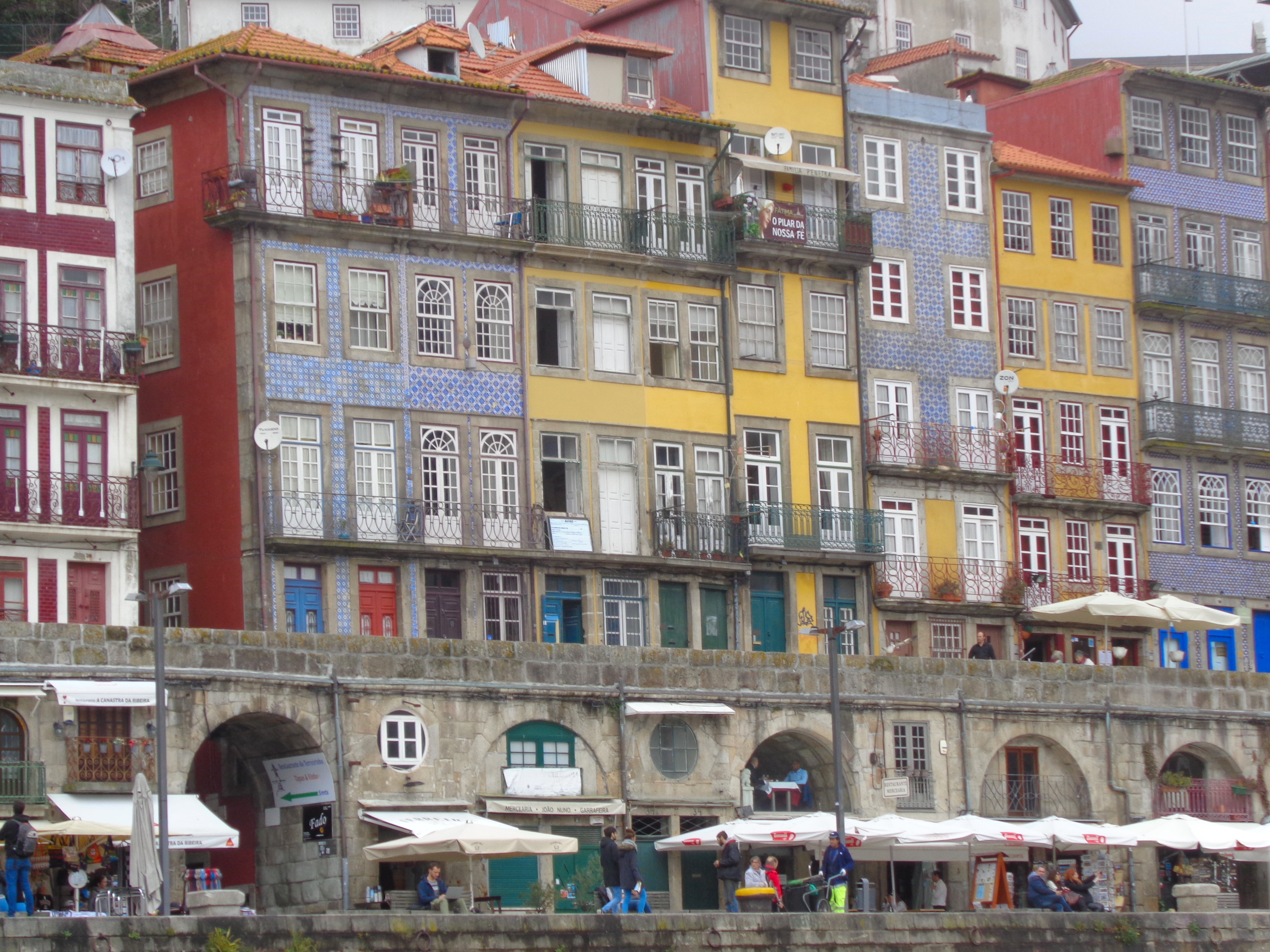
    Ribeira, one of the city’s oldest neighbourhoods, has that run-down ruined look at times. But it is in its faded beauty that this former fishermen’s quarter of often ramshackle buildings and brightly painted façades brings the bairro to life. Ribeira is part of the city’s UNESCO World Heritage Status, and negotiating the steep and narrow ruas of the district and neighbouring Sé and Miragaia is the best way to get a real sense of the city. There are surprises down each and every winding alleyway – grand, gothic structures, ornately tiled merchant houses and cheerfully painted frontages all in a nod to the old-world vitality of Porto’s 2,000 year-old history.

    DSC01747 (2).JPG

    The Palácio da Bolsa, Sé Cathedral and a collection of other grand churches, such as São Francisco, are also some of the highlights of the historical old town.

    4 Miradouros

    There are several lookout areas across the city, incuding Miradouro da Vitória and Elevador da Lada, and Serra do Pilar in Vila Nova de Gaia on the other side of the river. These viewpoints are a wonderful way to admire the mish mash of centuries-old architecture swathing the city’s north and south sides like colourful cloaks masking the lost prestige of Porto’s golden age.

    DSC01700 (2).JPG

    5 Ponte Dom Luís I

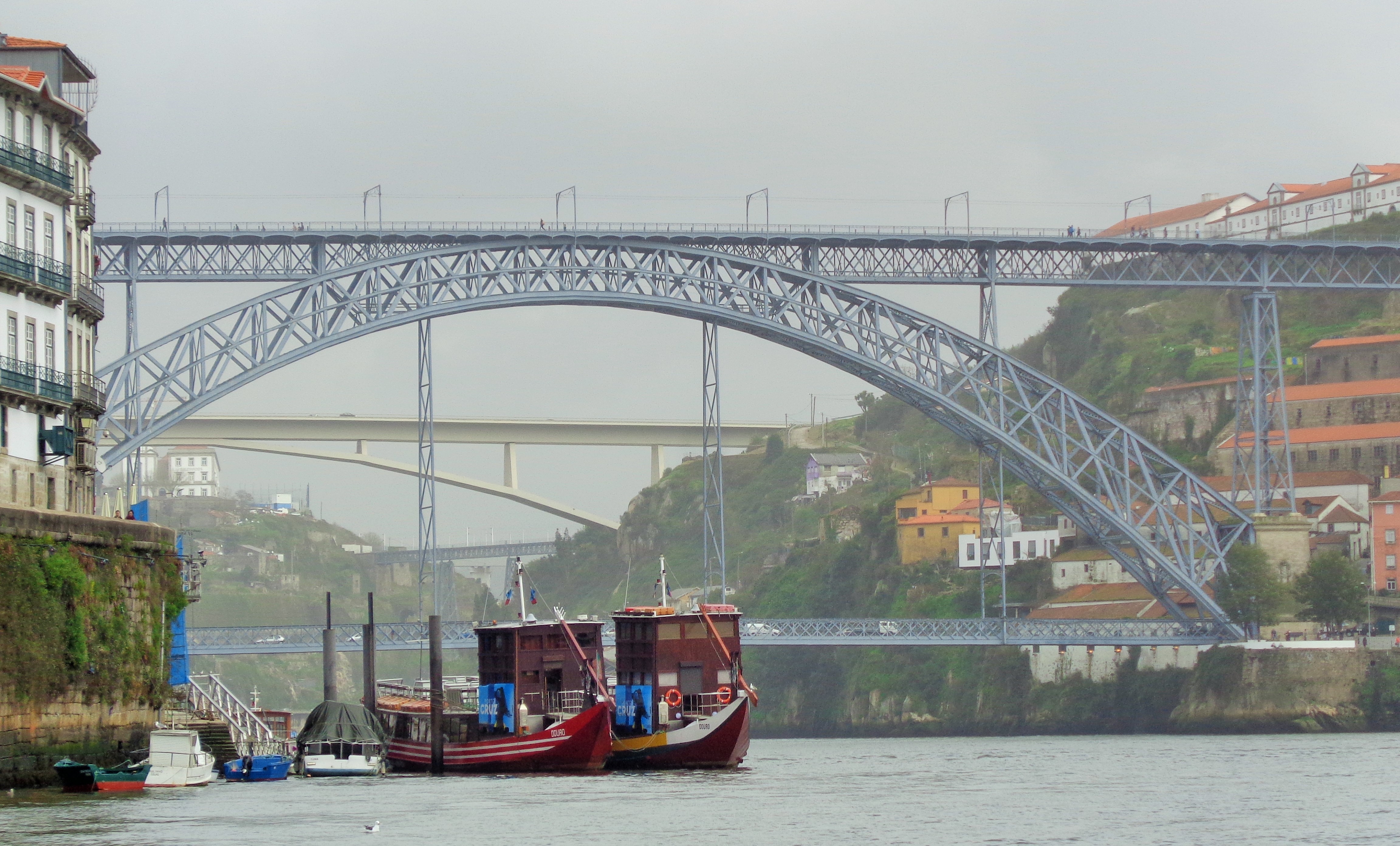
    Sometimes called the City of Bridges for the six strapping structures – both old and new – that span the Douro River, Porto’s Dom Luís I Bridge is probably the most well-known. The immense arched double-decker metal bridge was built by a protégé of Gustave Eiffel and opened in 1886 to link the city to Vila Nova de Gaia on the south bank of the river. Today, the lower deck is used for road traffic, and the upper deck functions as a metro line and pedestrian walkway. A stroll across the bridge is a spectacular way to see the city and takes you across to the Gaia district in the most scenic of ways.

    DSC01706 (2).JPG

    6 Port Wine Cellars

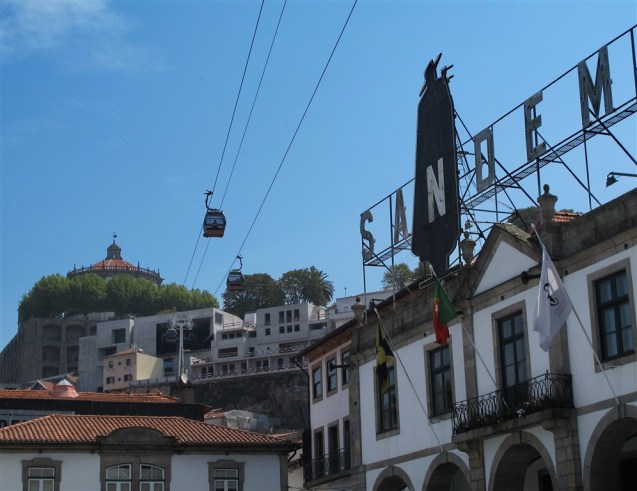
    Vila Nova de Gaia is the neighbourhood where you’ll find all those renowned caves where wine from the Douro Valley is brought and aged with aguardente in huge oak barrels for a number of years to produce Port, the city’s staple, celebrated fortified wine. Looking across to Gaia from the north bank of the Douro, the cellars scream out at you with their oversized signs advertising Taylor’s, Graham’s, Croft, Sandeman, Porto Cruz and many more of those popular Port brands. They all offer tastings, and what is visiting Porto without trying out the local vintage?!

    Teleférico de Gaia sobrevoa Caves_1024x768.jpg

    teleférico in Vila Nova de Gaia © http://www.dourovalley.eu

    After crossing the Dom Luís I Bridge, take the cable car down to the waterfront ­– another great way to see the city – and from there all the cellars are easily accessible, and there are often touters on the quayside offering tastings too. Some are free, some aren’t. For cellar tours, pairings with cheese and chocolate, and more, expect to pay a fee.

    DSC01690.JPG

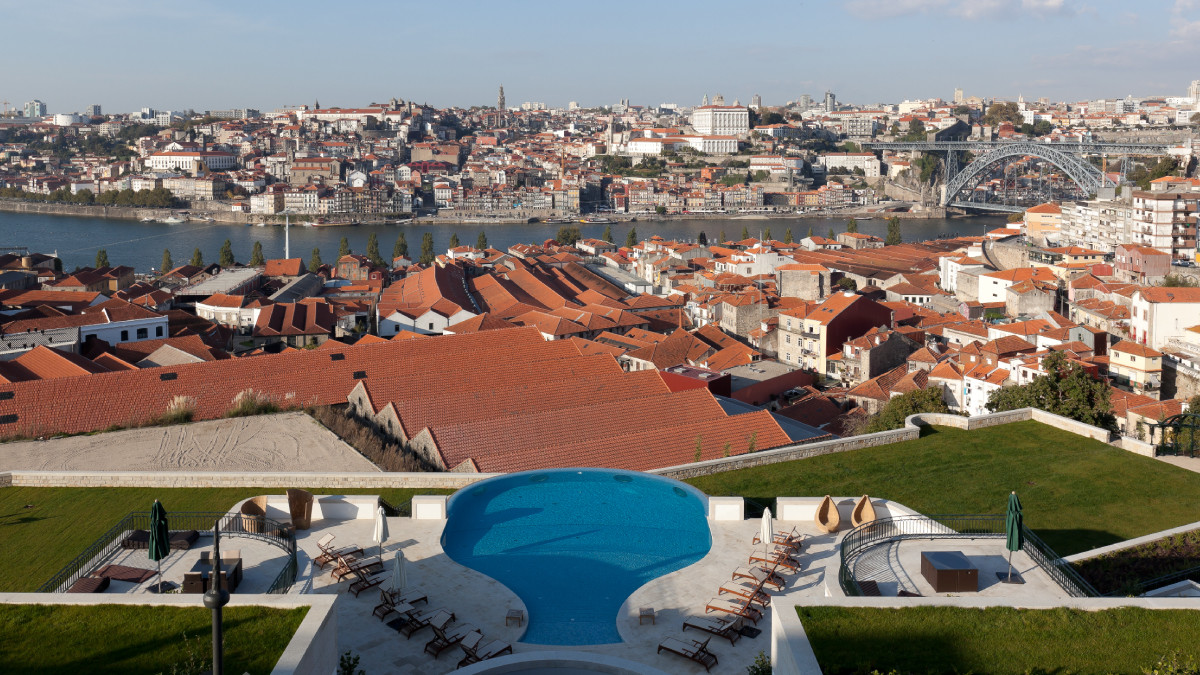
    While in the Gaia district, a pit stop at The Yeatman is a pretty special thing to do. This Wine Hotel is one of Porto’s finest and commands the most fabulous views of the city, built on the opposite bank with the historic core its ever-so-scenic backcloth. Enjoy a glass of Port or Douro wine in the luxuriant lounge overlooking Porto and, like me, vow to book a room with a view here if ever to return!

    1459268053

    The decanter-shaped pool and dazzling views from The Yeatman © http://www.europeanbestdestinatons.com

    7 Azulejo tiles

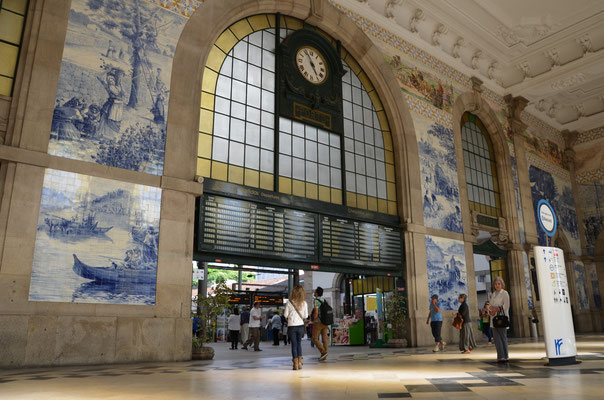
    The glazed ceramic tiles that adorn façades the city over are cemented in Portugal’s history and culture. When the Moors invaded the Iberian Peninsula in the 13th century, they brought with them this decorative influence that has ever since become deeply rooted in both Portuguese and Spanish tradition.

    There are many places around Porto to enjoy the beauty of ornamentally tiled buildings, and just weaving your way through the winding cobbled streets can all at once throw up a cluster of decorated dwellings, the more elaborate the wealthier the merchant family that once lived within.

    Probably the most prized examples of azulejos in Porto can be appreciated in the lobby of the São Bento Train Station and the frontages of the the Igreja das Carmelitas and Igreja de Santo Ildefonso churches.

    image (1).jpg

    São Bento Station © http://www.europeanbestdestinatons.com

    8 Clérigos Tower

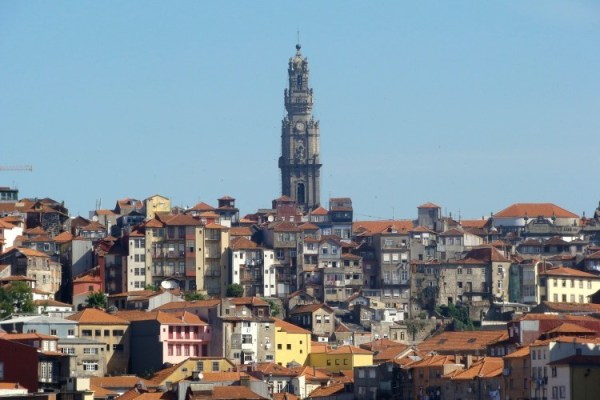
    An indisputable landmark of Porto, the iconic campanile of the baroque Clérigos Church, completed in 1763, stands at 76 metres tall. A spiral staircase of 230 steps leads up to the belfry for a bird’s-eye view of the city from above – a delightful torrent of terracotta rooftops and multi-coloured buildings tumbling down the hillside of the historic district. A visit is definitely advisable for yet more remarkable views of the city. And there’s also a museum attached with some wonderful openings overlooking the ornate interior of the church.

    clerigos03-750x500.jpg

    © http://www.feriasportugal.com

    9 Ride the Douro River

    There are a selection of boat trips on offer, and it’s worth doing one to enjoy the city from the river. You get a different perspective as you quietly drift along the Douro, cruising below the considerable spans of the celebrated six bridges, including the Maria Pia – the rail bridge designed by Gustave Eiffel and a hunk of a metal arched coathanger a little upriver from the Dom Luís I, and equally grandiose; and the Arrábida, a modern construction which was the longest reinforced concrete bridge in the world when first completed.

    DSC01763 (2).JPG

    Travelling downriver towards the mouth gives a glimpse of the Atlantic Ocean, and back to the city and the abundance of activity along the river banks and the delightful jumble of dwellings jostling the hills on either side. Day trips for wine tastings in the Douro Valley are also offered if you have the time to include.

    DSC01746 (2).JPG

    10 Tram it to the Atlantic

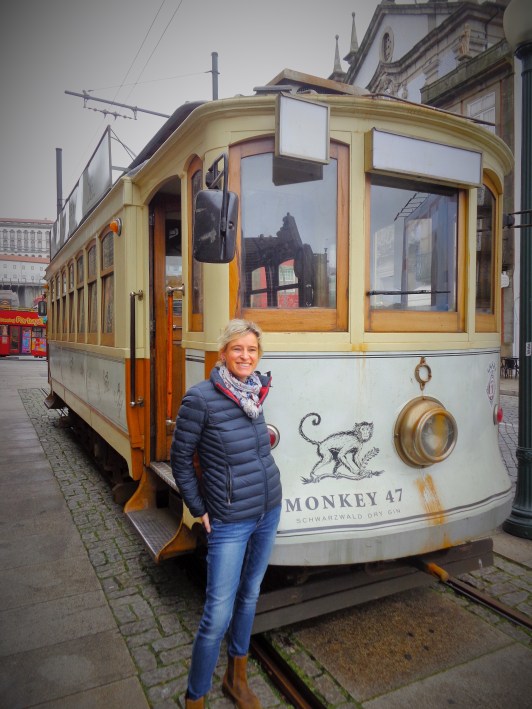
    The handsome, heritage trams of Porto are another great way to get about. There are three regular lines transporting people around the historic centre and out to the coast, using vintage tramcars with traditional fixtures and fittings – all polished wood-panelled interiors with original bell pulls, and a rickety ride guaranteed.

    DSC01663 (2).JPG

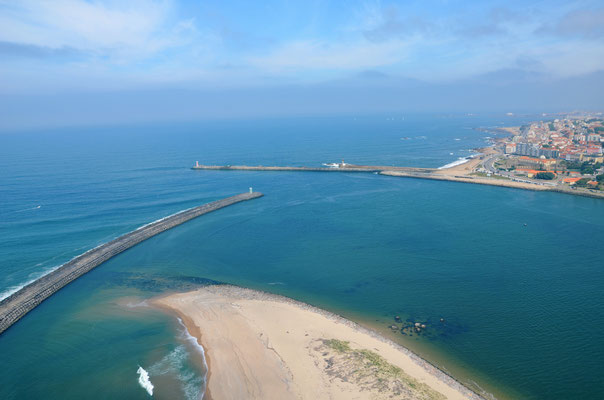
    Tram Line 1 takes you along a picturesque river route all the way to Foz do Douro, a well-heeled seaside town just 20 minutes from the city centre. Stroll through the Jardim do Passeio Alegre to the Farol de Felgueiras lighthouse, which marks the Douro River’s meeting with the ocean. Then walk along the beach, wild Atlantic waves crashing boisterously along the shore, and indulge in a sundowner at one of the many oceanfront cafés before riding the rickety rails back into Porto.

    Foz

    The Atlantic Ocean at Foz do Douro © http://www.europeanbestdestinations.com

    11 A metro ride to Matosinhos

    If you can’t get enough of the Atlantic coastline, another little side trip from the city worth making is to Matosinhos, a 15-minute metro ride on the blue line from the Trinidade stop in central Porto. As well as surfing beaches, the town is famed for its fresh fish so taking the trip out for a spot of lunch in one of the many authentic seafood restaurants is fun to do, and you can be back on the sightseeing trail in the city for the afternoon.

    dsc_0031_copy_site_13577423521362620119.jpg

    Piscinas de Marés © http://www.matosinhosport.com

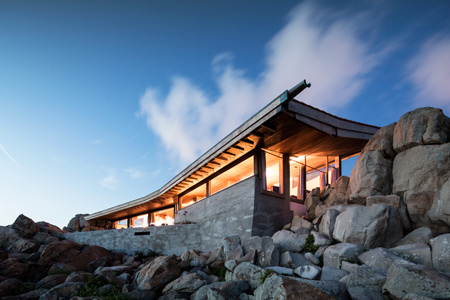
    If you’re visiting in summer, a dip in the delightful Piscinas de Marés is something to linger on in Matosinhos a little longer for – these natural seawater swimming pools were designed in the 1960s by internationally renowned Portuguese architect, Alvaro Siza Vieira, and blend into the coastal landscape beautifully. Siza Vieira was born in Matosinhos so it makes sense that he centres a sum of his work here, and the Boa Nova Teahouse is a restaurant in the most remarkable of settings that he worked on in the early 60s, and which today is classified as a National Monument. If you want to splash out in spectacular surroundings – the restaurant is integrated into the rocky terrain overlooking the ocean – this is the place to be.

    APRESENTACAO.jpg

    Boa Nova Teahouse © http://www.ruipaula.com

    12 Gastronomy

    Porto is fast becoming a fashionable arts and cultural centre – the countless cool boutiques, contemporary buildings and culinary locales springing up around the city are testament to this thriving new scene. And I have to say, the quality of the food we ate everywhere was a revelation. Quite unexpectedly, we consumed like kings. So this is what you get when you blend an inquiring gastronomic appreciation with good ingredients, a bold outlook and an unstinted attention to detail. Everything is meticulously prepared and attractively presented, no matter if it’s a meal in an upmarket restaurant, a light lunch al fresco, a snack on-the-go or an early evening aperitivo.

    Book Restaurant

    Dining out in Porto is an impressive experience, and ours was exemplary of a food scene that’s really flourishing in Portugal’s second city. You’re honestly spoilt for choice, and some of the places we enjoyed eating at include Book Restaurant (a former bookstore with a literary décor), Cantinho do Avillez (run by renowned chef José Avillez) and Cantina 32. Although touristy along the river in Ribeira, lunch at the Café do Cais is lovely when the sun is shining and you can eat on the terrace with a view on the Dom Luís I Bridge and the wine warehouses of Gaia. And a word of advice, if you’re in town at the weekend do book in advance as restaurants fill up rather quickly.

    20170306_160956 (2)

    a merenda at Café do Cais

    An aperitivo before dinner is always a good idea, and there are plenty of bars and cafés across the city for a tipple or two when it’s time to rest those tired legs. The Rua das Flores, leading to Ribeira from the São Bento Station, has some lovely, lively little places – Vinofino and Mercearia das Flores are a couple we loved. Order a plate of local cheeses and hams to complement your drink of choice and mix with a good measure of chilled conversation. It all goes down a treat! Because that’s what weekend breaks are all about. And Porto throws up the perfect recipe for a really relaxed time away from it all.

    DSC01649


  • Back to Basque

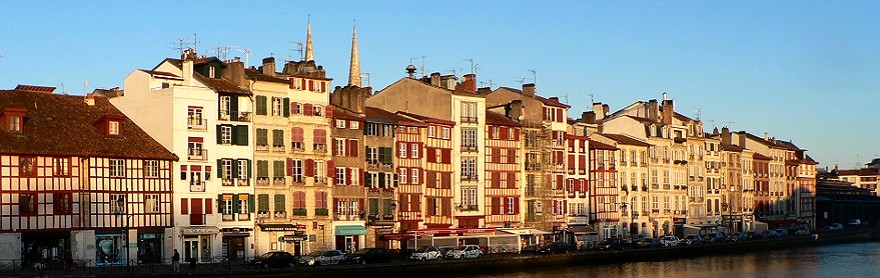
    The region we’ve probably dropped in on the most since residing in south west France is Pays Basque; both the French and Spanish pockets of this distinct and dynamic province sandwiched between the rugged southernmost reaches of the Bay of Biscay and the robust scaffolding of the Pyrenees stretching inland. Ever since first motoring down the long and monotonous length of the A63 autoroute from Bordeaux through the département of Landes – all pine forests and an uninspiring panorama of flatness – to the Pyrénées-Atlantiques slotted in snugly along the border with Spain, I am always utterly taken when the towering mountain vistas come into view, and the low-level landscape embodying Landes all at once morphs into lush and undulating foothills flecked with the characteristic white and ruby red chalets of the Basque Country.

    Pays Basque

    © http://www.guide-du-paysbasque.com

    It’s almost as though I harbour a connection with the place; a kinship. Quite possibly, the very quintessence of its verdant backdrop – the hills heartily rippling and rolling across the terrain –gives me a sense of home. Along with its strong sense of identity, fertile landscape, love of rugby and a fortitude for maintaining a minority language, perhaps I feel a parallel with my Welsh roots, albeit some one thousand miles south of the homeland.

    Once part of the kingdom of Navarra, the Basque region affably spans the border between France and Spain, with Iparralde being the ‘northern side’ or French Basque Country, and Hegoalde the Spanish or ‘southern side’. Together, the provinces of Pays Basque and Béarn form the picturesque Pyrénées-Atlantiques département of France, as popular for the mountains as it is for its wild Atlantic coastline.

    L: Pyrenees © www.bikebasque.co.uk   R: Atlantic Ocean © http://www.tourisme64.com

    Sometimes we may head down for the day – it’s roughly a two-hour drive or train ride from Bordeaux to Pays Basque. Sometimes we’re passing through en route to Spain and like to take a detour for lunch by the seaside or in a traditional Basque village. Occasionally, we stay with friends who have a summer home just outside Biarritz or, if booking our own accommodation, our best little find in the area has to be l’Auberge Basque, a boutique inn a stone’s throw inland from the sea.

    IMGP3544 (2)

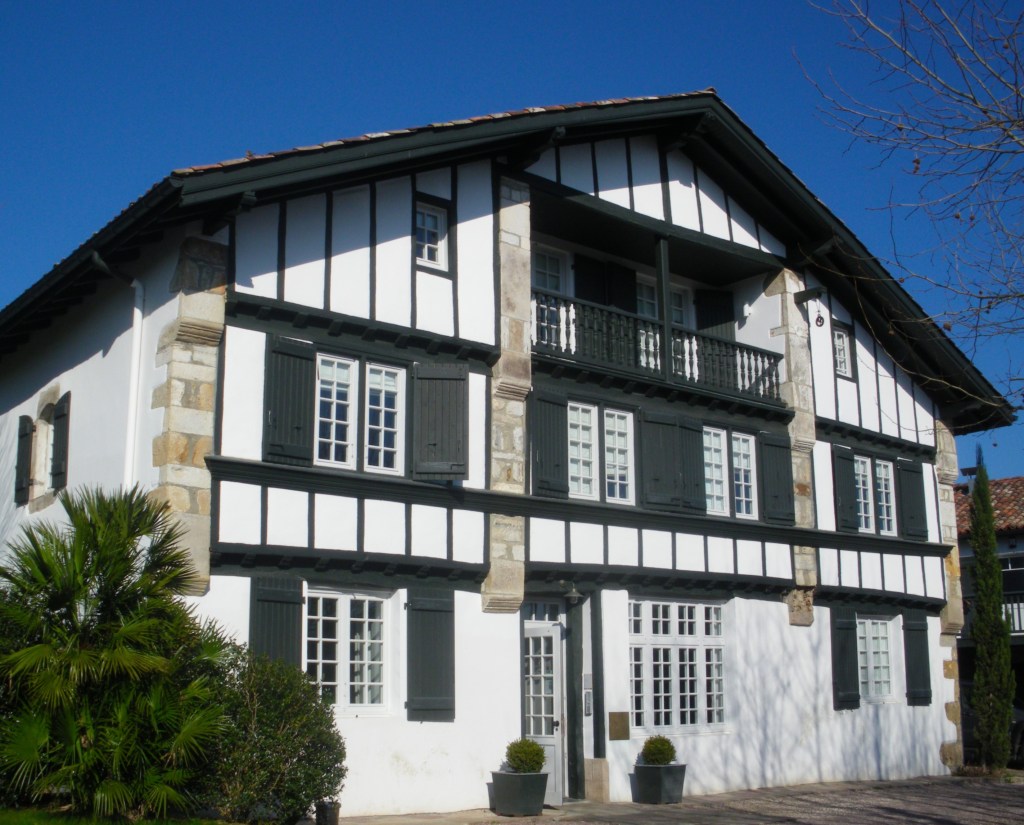
    front façade of L’Auberge Basque

    Leaving the A63 at Saint-Jean-de-Luz and snaking deep into the Basque hinterland from the coast past hills dotted with typical half-timbered houses and sheep-filled pastures, yet no more than five miles from the beaches, you’ll stumble upon l’Auberge Basque, a traditional farmhouse dating from the 17th century and today stylishly renovated into a chic contemporary residence set against the fabric of the Pyreneen foothills.

    It’s a beautiful blue sky day in early spring when we ruck up the final furlong of a rolling hillside and ride into the driveway of this delightful hideaway for a long weekend with a sixteen-month-old Jem in tow, more than eager to get out and explore after two hours trussed up in his car seat. While Mr Gallivant goes to check us in, I take a stroll around the charming exterior of the auberge with Jem bobbing alongside, and into the lush garden beyond bestowing an eye-catching view of La Rhune mountain as a backcloth to the west-facing façade of the building.

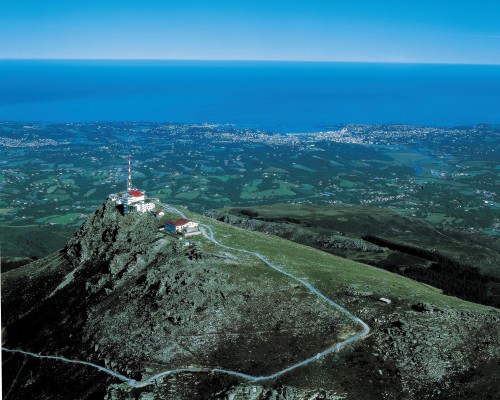
    La_Rhune_vue_aerienne

    aerial view of La Rhune © http://www.touradour.com/towns/larhune.htm

    The property was a few years back bought over by celebrated Michelin-starred chef, Cédric Béchade, once a protégé of Alain Ducasse, who decided to return to his pays after many years in Paris and convert the characteristic inn into a stylish heritage hotel combining the original features and fusing them with a more modern feel in a sinuous marriage of past and present. From where we stand, or rather run and tumble ad infinitum in Jem’s case, I admire the floor-to-ceiling glass façade on the contemporary side of the auberge, which blends harmoniously with the authenticity of the classic Basque fascia at the front of the building. I’ve had my eye on this place for some time, and am thrilled to be spending the next four days here. We know it isn’t to be a relaxing break, not with a toddler to take care of, but just being in the quietude of the Basque countryside and the stylish surroundings of our boutique abode is enough to slacken the stresses of the day-to-day.

    Auberge Basque

    © http://www.aubergebasque.com/

    IMGP3523

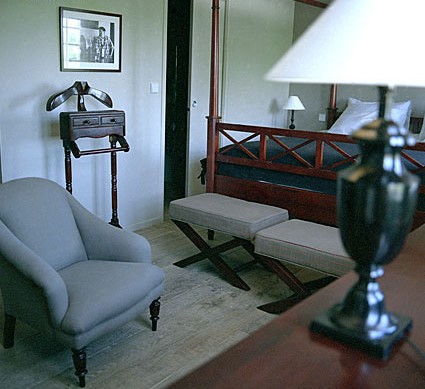
    Checked in and key in hand, we climb the creaky wooden staircase to our accommodation in the original façade of the building. And I instantly fall in love with our room. It – and the entire inn – is tastefully decorated in Flamant Home Interiors, a Belgian design brand and my favourite homeware store in Bordeaux. Understated elegance and muted tones rule the roost. It’s right up my road. Slightly on the side of pocket-sized the room may be, but an extra bed has after all been set up for Jem. We’re here on a special spring-deal package so I’m not nitpicking, we wouldn’t be here at all if it wasn’t for sniffing out the more easy-on-the-pocket, out-of-season rate. There are nine rooms and three suites in all in a range of sizes to suit assorted budgets.

    chambre-9 (2)

    Chambre 9 © http://www.chateauxhotels.co.uk/l-auberge-basque

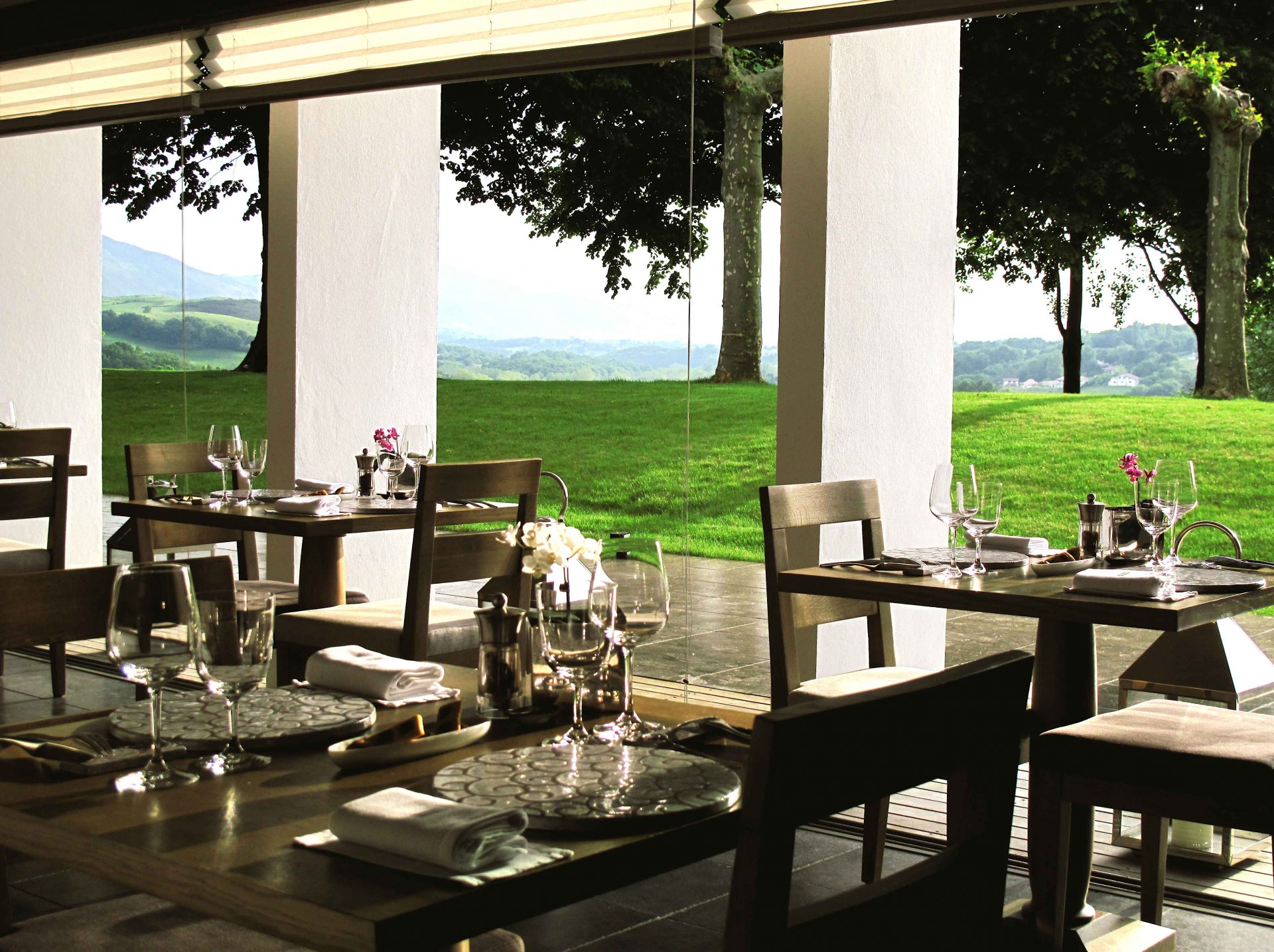
    And with the owner being a chef of such esteemed calibre, l’Auberge Basque is very much renowned for its creative gourmet cuisine, swanking a Michelin-starred restaurant. Fortuitously for us, there is a five-course menu harmonie served up as part of our package. That first evening, with Jem safely ensconced in slumber in Room N° 9, Mr Gallivant and I steal downstairs to La Grange, the bijou little hotel bar, and while away an hour in seamlessly comfortable surroundings sipping on G&Ts before dinner is served.

    Auberge Basque

    Michelin-starred restaurant with panoramic views © http://www.idealgourmet.fr

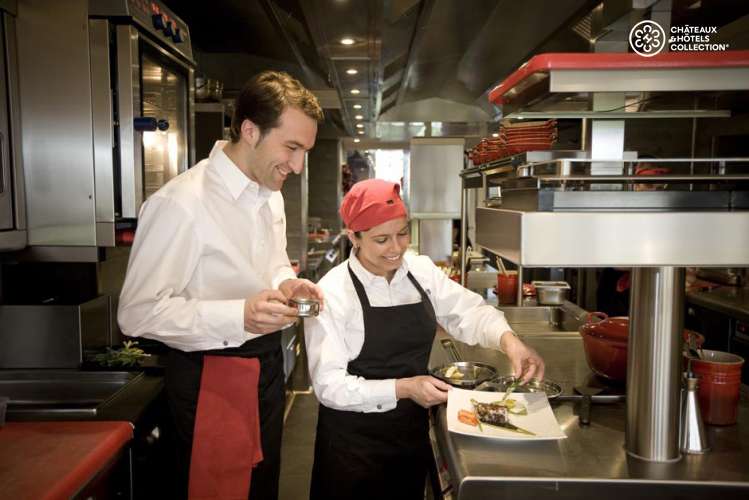
    The restaurant, also spruced up in the soothing and simplistic tones of Flamant, has the seating area looking onto a contemporary open kitchen for guests to feast their eyes on the flurry of sous-chefs animatedly concocting an assortment of fine delicacies to flawless precision. And culinary works of art indeed they create. In fact, the restaurant at l’Auberge Basque has become quite known in the region as the gastronomic heart of haute-cuisine for an amazing amalgam of local flavours and a fusion of utterly unanticipated foods to fabricate simply the most appetizing of fine-dining meals we either of us have ever tasted. Think petit pois profiteroles, fois gras au thé Earl Grey, or even beetroot-flavoured ice cream; and of course the whole span of local Basque staples like jambon de Bayonne, pipérade, Ossau-Iraty cheese and Espelette chilli peppers. On being served each course, Béchade himself comes to our table to explain all the elements of the ingredients and precisely why they have been married together to craft the course we are about to savour. Simply exquisite!

    kitchen

    Cédric Béchade in the open-plan kitchen © http://www.chateauxhotels.co.uk

    Even the breakfasts are the most extraordinary we have ever experienced. Naturally, everything is homemade, and the three of us spend a leisurely hour or so each morning grazing through the pancakes and brioches and confitures and local cheeses and jambon be Bayonne and oeufs en cocotte and fruit crumbles and freshly pressed juices. All so delectable. I could go on. Jem doesn’t hold back one bit as he gleefully gorges on anything he can get his pudgy little hands on.

    L-Auberge-Basque-photos-Exterior-Hotel-information

    breakfast © http://l-auberge-basque-saint.booked.net/

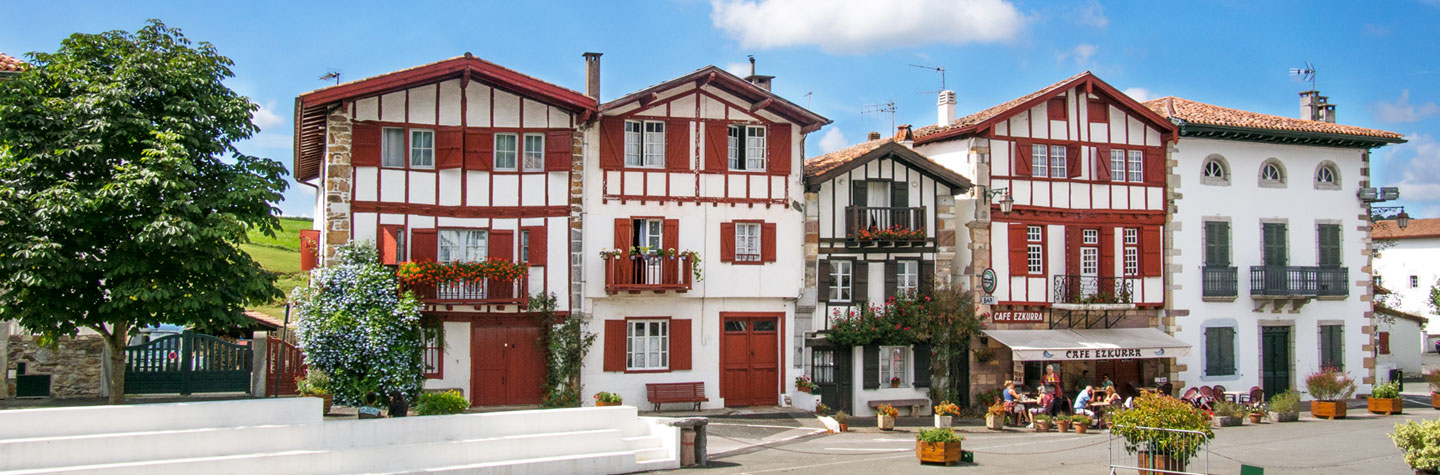
    This delightful little Basquais boutique inn is an absolutely blissful place to be. And our surroundings are beyond superlative. On the doorstep are a glut of gorgeous places to indulge in, we are after all in the Pyreneen foothills ­­­­­– an undulating landscape peppered with pretty picture-postcard villages of half-timbered, wide-eaved houses painted with white limestone façades, and shutters and wood panelling in the customary Basque red or sometimes forest green. To see these traditional Labourdine houses at their loveliest, visits to the villages of Ainhoa, Espelette, Sare and La Bastide-Clairence in the hinterland or Bidart, Guéthary and Ciboure on the coast are a must. Of course, the towns of Bayonne and Saint-Jean-de-Luz are just as handsome for their Maisons Basques and all out local charm.

    the village of Espelette

    A hop and a skip from Saint-Pée-sur-Nivelle, the base for l’Auberge Basque, is the rack and pinion railway that rides up to the top of La Rhune, a mountain straddling France and Spain with striking views of both the Bay of Biscay coastline and the snowy peaks of the Pyrenees. The sky is a cloudless, cobalt blue. It’s the perfect day to be taking le petit train up through the rugged terrain to the summit to behold all of the Basque Country from atop. It’s the ideal jaunt for a child, and Jem is just thrilled.

    Atlantic Ocean and Pyrenees from the top of La Rhune

    Another worthwhile stop-by is the Villa Arnaga in Cambo-les-Bains, the larger-than-life traditional Basque home of Edmond Rostand, author of Cyrano de Bergerac. The villa is now a museum set in magnificent grounds, and here you really get to appreciate the Maison Basque at its finest.

    IMGP3568 (2)

    Villa Arnaga

    If it’s pleasing your palate that counts, then don’t miss Espelette, prized for its piments or chilli peppers, which hang rich-red from the buildings in the drying process before being fashioned into the celebrated, flavour-packed Espelette chilli powder used to spice up cooking the world over. Or if you find yourself in the environs at Easter, check out the Bayonne Ham Fair, a foire the town has been holding for more than 500 years in celebration of its fêted air-dried, salted jambon. Bayonne, incidentally, is also the home of chocolate in France, first brought to the town by the Spanish some 400 years back bringing about a chocolate-making savoir faire that stays to this day. And of course there is the notable Ossau-Iraty cheese, a product of AOC (appellation d’origine contrôlée) status made from the milk of the ewes that roam the rocky, rolling hills of the region.

    Bayonne_Quai_de_la_Nive__c_CDT64

    Bayonne © http://pays-basque.tourisme64.com

    On this particular trip to Pays Basque, we touch on the inland locale of this unspoilt landscape only. There is certainly a lot more to the locality than we can squeeze in this time around. But we will be back. We always come back. For the Basque Country is a world unto itself; culturally rich, aesthetically pleasing, and proud – very proud – to the core.

    ainhoa

    Ainhoa, a plus beau village of France © http://www.euskoguide.com

    plage-pays-basque-bidart_1_bis

    the beach at Bidart © http://www.bidarttourisme.com

    * L’Auberge Basque has rooms from €139 in low season (breakfast included for telephone reservations only)


  • To Singapore with Love

    It’s twelve years since me and the now Mr Gallivant moved back to Europe after a three-year stint in Singapore; dropped down with a short sharp shock into the sub-zero continental winter of la Région Parisienne – such a far cry from the tropics of south east Asia – and doubtful of where we would finally settle, but back all the same for Mr G to kick start the European arm of his new import-export venture.

    We were moving to Paris in the interim. At least, that’s how I’d pictured it. If we had to leave Asia, then Paris didn’t seem so bad a trade off. I assumed myself sashaying along the leafy boulevards, swanning around museums and stopping off for apéros en terrasse at charismatic cafés in the free time I’d assigned myself before finding a new job of my own. I would embrace the City of Love and enthuse the romance with my French beau in his very own country; two lovers lost to Paris’s dreamy demeanour.

    20150124_114853The reality though was somewhat different. Not that my Frenchman had sold me the Paris idyll perfectly packaged in ribbons and bows; I’d somehow somersaulted impulsively –as I tend to at times – towards the romantic image of living in Paris with my French amoureux without ever really thinking it through. But of course we weren’t exactly in Paris même. We were in la Région Parisienne. Somebody tells you they live in London, when in fact they’re lumped 20 miles away in some characterless commuter town like Slough. That was our equivalent. Sort of. We were provided with a small apartment to live in for as long as we wanted on the property of Mr Gallivant’s aunt and uncle while we settled back into life in Europe. It was extremely generous of them to accommodate us on our return; they just happened to live on the farthermost fringes of the city I’d so been fantasizing about – implanted in a little village within the flat, soulless expanse that is the Disneyland circus of Marne-la-Vallée. Not quite my Paris dream, but for what it’s worth, the City of Light was still only a 40-minute train ride away to pander to my propitious saunterings.

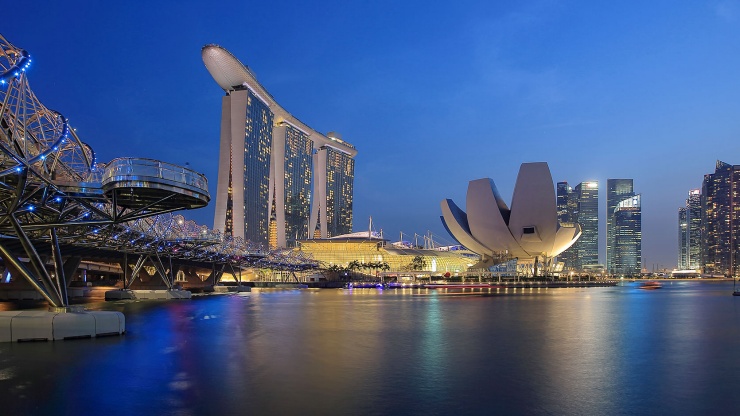
    Needless to say, we stayed there a mere six months or so before moving on again. It had only ever been a stopgap. And I got my fair share of Paris into the bargain. Yet the time that has passed since seems to have stormed by – settling into the standards of wedlock and wee little ones has seen to that – so lately this post-decade anniversary has had me dallying over my time in Singapore once again. In point of fact, I never really did stop reflecting on those blithe days of young love and liberty. I avidly lap up all the recent articles about the changes underway in the tiny island state and I realise quite sincerely that I may not even recognise the place these days, the ongoing development seems to be that intense. So I thought I’d ask a friend who is still based there, Joyce Bangayan – city finance professional – to update me on a few of the old haunts, as well as a few new favourites, as I’m naturally out of touch with the places to wine, dine and rest a weary head nowadays. And it’s always good to have advice straight from the horse’s mouth. Over to you, Ms Bangayan:

    _____________________________________________________________________________________

    IMG_6662 (2)

    Something of a local authority on Singapore, having lived in the island state for the past 17 years, Joyce Bangayan works in banking in the financial district and now divides her time between Singapore and Manila, enjoying socializing and shopping in the buzz of the city state at every opportunity.


    _____________________________________________________________________________________

    In my day, if we wanted a drink with a view, we’d head to the bar at the top of the Swissotel Stamford. Which are the go-to rooftop bars of the moment?

    These days there are lots of places to enjoy the ever-changing skyline and incredible views of the Merlion City – the top of the Marina Bay Sands Hotel is probably the most panoramic though. And if you decide to actually spend a couple of nights there, then you get to take a dip in their impressive infinity pool overlooking the city too.

    Marina Bay Sands

    Marina Bay © http://www.yoursingapore.com

    My favourite spot however has to be the Lantern Rooftop Bar of the Fullerton Bay Hotel where you have outstanding views of both the Singapore River and Marina Bay Sands at the same time. It’s more of a classy hangout in my opinion, and you can relax on the terrace and enjoy a tipple or two while their resident band plays soothing tunes in the background.

    The newly renovated National Gallery also has a rooftop restaurant and bar called Smoke and Mirrors with both an indoor and outdoor area. It’s a great way to have some drinks and small bites and catch up with friends overlooking the historic Padang district and Marina Bay.

    smoke-mirrors-6 (2)Smoke and Mirrors © http://www.asia-bars.com
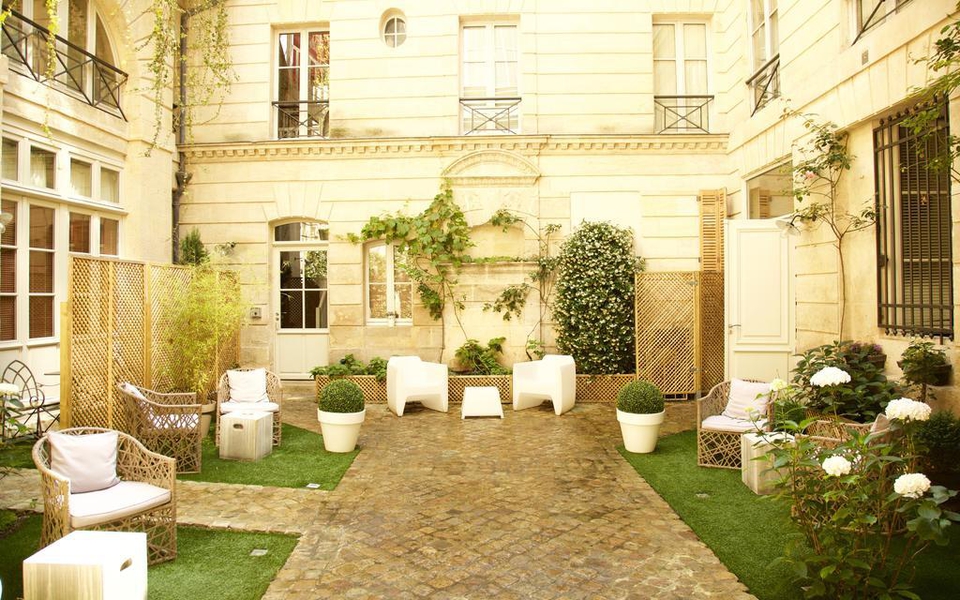
    There were pockets of popular places to go for dinner and drinks – Chijmes, Holland Village, Emerald Hill, Boat Quay, Club Street to new a few. Are these hangouts still very much in style or have brighter and better buzz spots taken over?

    Yes, in fact Chinatown has changed quite a bit in the last decade and now has some of the coolest bars and restaurants in town, as well as speakeasies and clubs that have an undergound vibe. Keong Saik Road has lots of good restaurant choices with plenty of pre- or after-dinner bars to hang out at.

    There’s also Duxton Hill, particularly the part close to Chinatown, which is a very festive evening spot with a choice of very good restaurants for dining.

    These places are the closest to Orchard Road, but you also have the high-end restaurants in hotels like the Marina Bay Sands for pricier options or special occasions.

    duxton-hill-1000 (2)

    Duxton Hill © http://www.singapore-guide.com

    I recall romantic restaurant settings such as Halia in the Botanic Gardens or Indochine on the river front for an amorous dinner à deux. Am I still clued up or completely off the radar?

    The new Marina Bay Waterfont Promenade is rather a romantic setting with its cluster of restaurants and great views, and it boasts a quieter retreat from the city. Sentosa Island too has many hotels with good places to eat and is more of a haven from the hubbub of Downtown. The One°15 Marina has great dining choices and yachts aplenty in a lovely setting. And if you can stay at the W Hotel and sleep in a suite room, that would indeed afford a slice of romance too.

    sentosa

    Sentosa © http://www.channelnewsasia.com

    A Champagne Brunch was a great way to spend a Sunday afternoon catching up with friends and getting pleasantly poached in the process. Is it still the way? Where would you recommend folk go for some boozy brunch indulgence these days?   

    Most restaurants these days actually do a Champagne brunch, but to be honest the prices have escalated since our glory days! I’d still recommend the hotels over the restaurants for a real brunch though, like The Fullerton.

    property-fullerton-hotel-1

    The Fullerton Hotel © http://www.thefullertonheritage.com

    Where does the in-crowd go for a spot of lunch?

    You can pick up lunch literally anywhere, from hawker centres to food courts to restaurants. There’s a great Italian called No Menu that serves very good quality dishes, although this attracts a business clientele during the lunch rush. A little less expensive would be PasarBella at Suntec City Tower 1. Many locals eat here and it has a farmer’s market layout where you can choose whatever kind of dish you like. Great for a quick bite!

    For croissants, quiches and small bites or salads there’s also the ABC – Artisan Boulangerie Co. – a bakery with locations all over the city.

    img-PasarBella-Suntec-Haven-For-Hipster-Diners-6

    PasarBella © http://www.citynews.sg

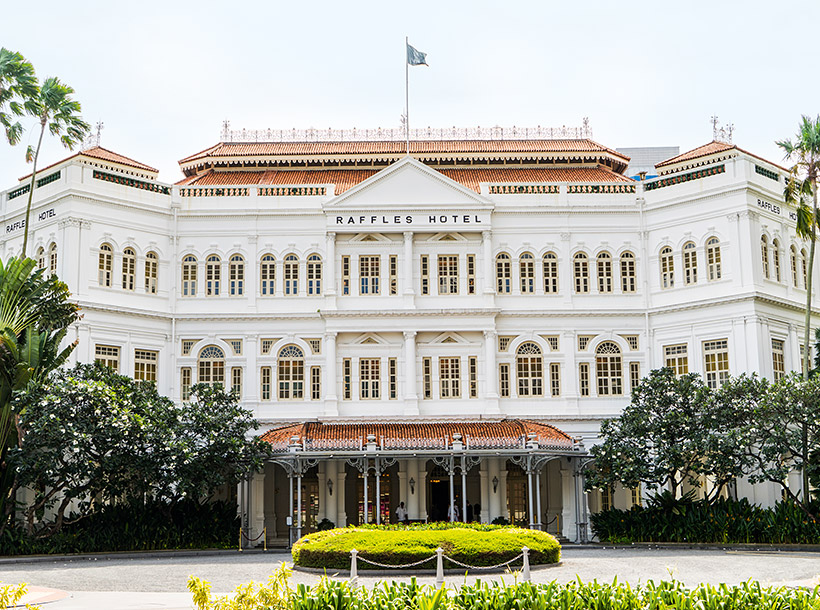
     And what about high tea? Is Raffles still the cream of the crop?

    The Marriott Hotel on Orchard Road does a very good high tea, as do some small French places that have popped up in recent years, like Hediard. But Raffles, yes, takes some beating.

    singapore-2-gallery

    © http://www.raffles.com

    If visitors want something more authentic, which hawker centre food stops are still the favourite?  

    I rarely go to hawker centres since there are so many other places to choose from, but for those ever-popular traditional Singaporean dishes like Fried Kway Teow, Hokkien Mee, Bak Kut Teh, Hainanese Chicken Rice and plenty more, the popular ones are probably Lau Pa Sat, the Chinatown Complex, Old Airport Road Food Centre and Maxwell Road.

    Lau Pa Sat

    Lau Pa Sat Hawker Centre © http://www.yoursingapore.com

    Do the East Coast food joints still serve up a mean chilli crab? And where else for a bite that’s a bit more local?

    For the famous chilli crab, East Coast Park is always a good option, but my favourite is Mellben Seafood in Toa Payoh. It’s a great local place for some good old local grub!

    East Coast park

    An East Coast Park eatery © http://www.nparks.gov.sg

    The term ‘boutique hotel’ was probably just emerging more than ten years back, but a lot of them seem to have sprung up in Singapore in the last few years. Any you’d particularly recommend?

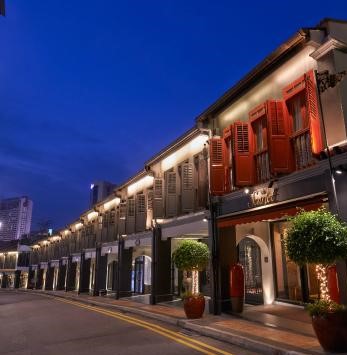
    There’s the Hotel Jen in the Tanglin area which is part of the Shangri-La Group, and The Scarlet Hotel on Ann Siang Hill, which is in a beautifully renovated art deco building and is walking distance to Club Street.

    the-scarlet-singapore (2)

    The Scarlet Hotel © http://www.thescarlethotels.com/singapore

    What else is new on the hotel front?

    Well, there are a lot of business hotels opening all the time, and Sentosa has had a number of new openings, like the Sofitel Resort & Spa. There’s also a SO Sofitel and a Westin Singapore in the Downtown Core.

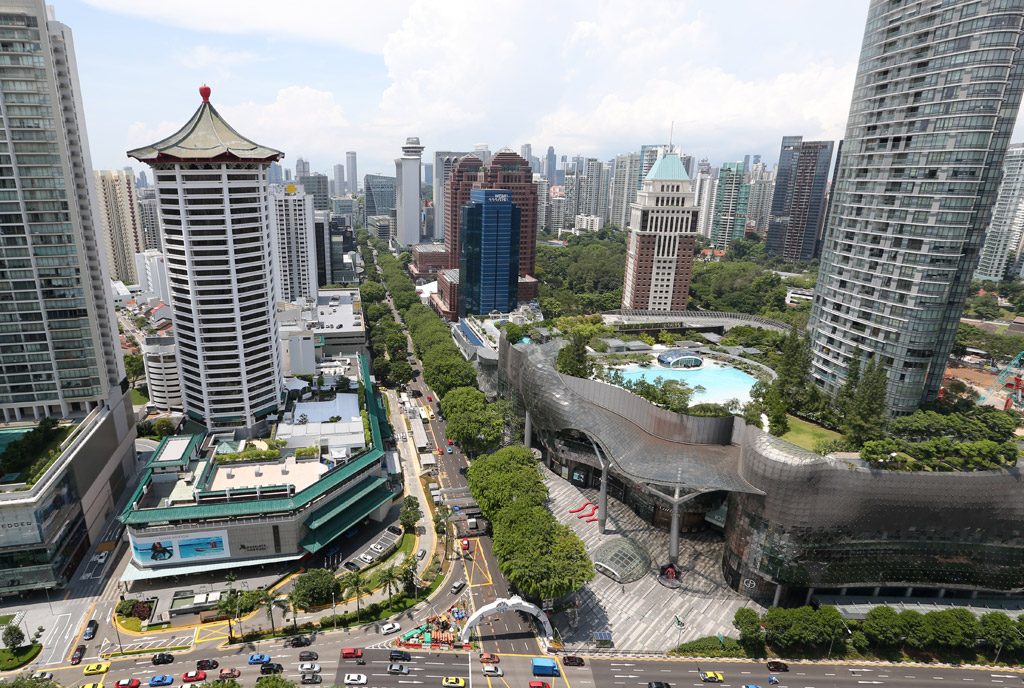
    Orchard Road was all about shopping. Have new retail experiences sprung up around the sovereign state of late, or is Orchard still the hub?

    Orchard is still pretty much the heart of retail therapy, and there’s a bit of a shopping hub in the Marina Bay Sands area too.

    Orchard Road

    Orchard Road © http://www.straitstimes.com

    Where are you favourite places to wine and dine?

    I’d go to Latteria Mozarella Bar for great Italian food and L’Entrecote for a good old French steak & fries (it’s also very reasonable), both on Duxton Hill. And on Keong Saik Road there’s Binomio, a lovely Spanish eatery with a tapas bar as well as a more upscale restaurant, and Burnt Ends which serves Australian barbecue fare.

    What else should we know about the all-new Singapore?

    Lots of expats!


  • Six stylish boutique bases in Bordeaux

    One of France’s most culturally charming cities, Bordeaux has seen a surge in stylish places to stay over the last couple of years, many accommodating the elegant 18th-century dwellings dressed with honey-hued limestone façades that lend themselves so effortlessly to quirky and charismatic boutique abodes. It isn’t however all that easy to find chic accommodation under 150 euros a night in the city centre, but here is a selection:

    Maison Fredon

    chambre-orange-21

    © http://www.latupina.com/en/maison-d-hotes-fredon-bordeaux/

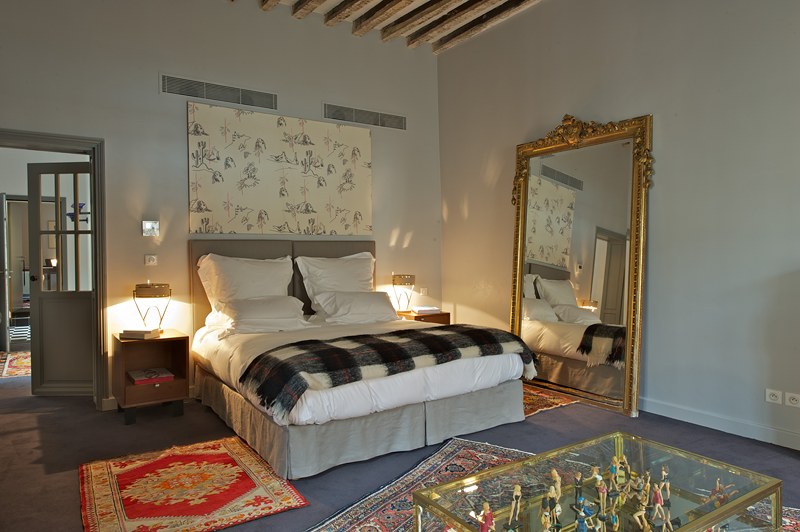
    A charming little find with five guest rooms set in a classic 18th-century Bordelais building, fully renovated to reap the rewards of all those fabulous bourgeois frills – lofty ceilings, large casement windows, grand fireplaces, parquet flooring. The property is secreted away down a side street in the Quartier Saint-Michel, part of the city’s historic centre. But not just any old side street, only the Rue Porte de la Monnaie, Bordeaux’s renowned gastronomic rue, known locally as La Rue Gourmande for its famous La Tupina restaurant. La Tupina has a mighty reputation for serving up traditional fare typical of south west France and is very much a go-to eatery in the city for its long-established excellence and quality local food. Maison Fredon is owned by the La Tupina team, and as well as their renowned restaurant and chic little chambre d’hôte, they also run four further dining experiences and an Épicerie Fine in the street, hence La Rue Gourmande. Unsurprisingly then, it’s where Rick Stein wined, dined and lodged when in Bordeaux for his BBC show Long Weekends.

    * room rates 90-250 euros (including breakfast)

    maison-fredon1-2

    La Rue Gourmande © http://www.latupina.com/en/maison-d-hotes-fredon-bordeaux/

    Les Chambres au Coeur de Bordeaux

    diaporama-3-5762

    © http://www.aucoeurdebordeaux.com/

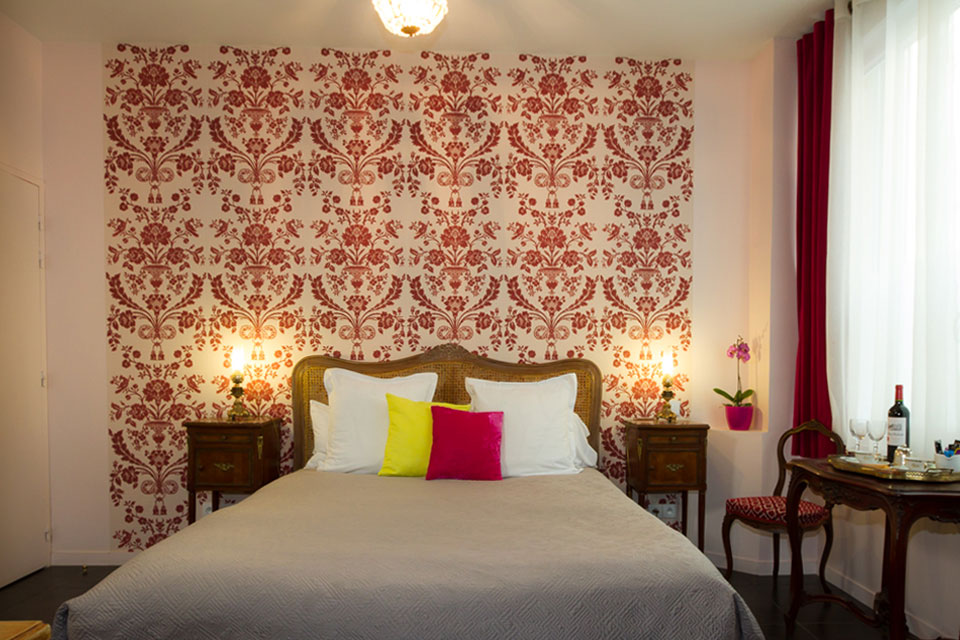
    In the very heart of the city, a hop and a skip from the Hôtel de Ville, this perfectly packaged chambre d’hôte is home to three guest rooms and two suites. It occupies a beautiful limestone building typical of Bordeaux and tastefully blends the traditional interior traits with both modern and antique pieces to create an eclectic feel. The rooms are all named after wine chateaux in the region and fuse vibrantly coloured fabrics with the antique furniture, customary parquet flooring and open fireplaces to add a smidge of flavour to the 18th-century surroundings. The property also has its own wine cellar.

    * room rates from 110 euros (including breakfast)

    4999014_69_z

    Au Coeur de Bordeaux © http://www.hotels.com

    Ecolodge des Chartrons

    1453729083hotel-ecologes-bordeaux-vacances-famille-6-1

    © http://www.familydays.fr

    In the fashionable Chartrons district of the city, the former wine merchants’ quartier of fine 18th-century townhouses, recently revamped and now fit to bursting with brocantes (antique shops), vintage boutiques, cosy cafés and bistrots, and an all-out boho charm, you’ll find this alluring little environmentally-friendly B&B. It’s tucked away in a tiny street touching on the Rue Notre Dame, the neighbourhood’s animated main artery, between the riverside esplanade and the Chartrons Place du Marché, in a grand golden-era residence with an accent on going green. The restoration work has focused on making the premises entirely eco-friendly, using solar panels, water-saving devices, and building materials of cork, hemp, sheepswool, etc. so much so that the property has a European Ecolabel Award for energy efficiency. The five guest rooms each favour a rustic charm without compromising on comfort, and the handsome house interior is furnished in the typically French façon.

    * room rates from 120 euros (including breakfast) (a cheaper attic room is available for less and is ideal for families)

    © http://www.familydays.fr

    Mama Shelter

    mama-shelter-bordeaux-terrasse-7

    © http://www.mamashelter.com/en/bordeaux/

    Bordeaux triumphs in elegant 18th-century buildings, I think we’ve established that. But if it’s something more offbeat you’re after, this innovative hotel chain opened its doors a few years back in an ugly, modern edifice in the city centre that was once home to Gaz de France, France’s national gas company. Though don’t be put off by the bland exterior, for the inside is anything but. Quirky and contemporary, as is Mama Shelter’s signature style, the hotel has an inviting open-plan interior mixing a moody vibe with a sexy, spirited design – a Philippe Starck concept with trendy touches like colourful kids’ rubber rings circling above the bar counter. There are 97 modish rooms ranging from small to XL, all rather gratifyingly affordable given the central location. And the tour de force for this hip hangout has to be the rooftop terrace, a fun and fashionable restaurant and bar area with fine-looking views over Bordeaux.

    * room rates 79-129 euros (small, medium, large and XL rooms available; breakfast is extra)

    L: XL room  R: restaurant © http://www.mamashelter.com/en/bordeaux/

    Coté Cour de L’Hotel Particulier

    cote-cour-de-lhotel-particulier-bordeaux-064-51525-960x600

    © http://www.myboutiquehotel.com

    L’Hotel Particulier itself, located on the grand Rue Vital Carles, literally an arm’s length from the St André Cathedral, is a wonderful place to stay but a little more exacting on the wallet than the courtyard studio apartments the property also provides. Although not as plush as the hotel guest rooms, with their original French features and period pieces, the more modern apartments offer reasonable rates in an unrivalled location and at a particularly eye-catching property. This classic Bordeaux townhouse has a delightful inner courtyard around which the apartments cluster, the perfect setting for an apéritif, particularly as there is also a wine shop on the premises, as well as an 18th-century underground wine cellar. Guests are tendered a little wine tasting too. Can’t be bad!

    * standard studio apartments from 110 euros; superior apartments from 140 euros (family apartments also available)

    L: superior studio  R: entrance to L’Hotel Particulier © http://www.myboutiquehotel.com

    L’Arène Bordeaux

    arene_bordeaux_031

    © http://www.larenebordeaux.com

    Located in a lovely residential neighbourhood, yet a very short walk from the historic centre, L’Arène looks out over the remains of Bordeaux’s Roman amphitheatre, Le Palais Gallien. It’s also alongside the Jardin Public, an attractive city park that’s much loved with the locals. Although accommodated in a renovated, 200-year-old residence, the five guest rooms have a contemporary design using bold colours to contrast old and new. The interior communal area and courtyard are comfortable and inviting. The quiet setting, informal ambience and immediacy to the centre make this an ideal base for those after serenity in the city.

    * from 125 euros per night for 2 nights or 105 euros for a small room (breakfast not included)

    5652242747c051a899d2567a79fe120c356fe2ff
    Le Palais Gallien © http://www.larenebordeaux.com